
Interview with Bela Sobottke

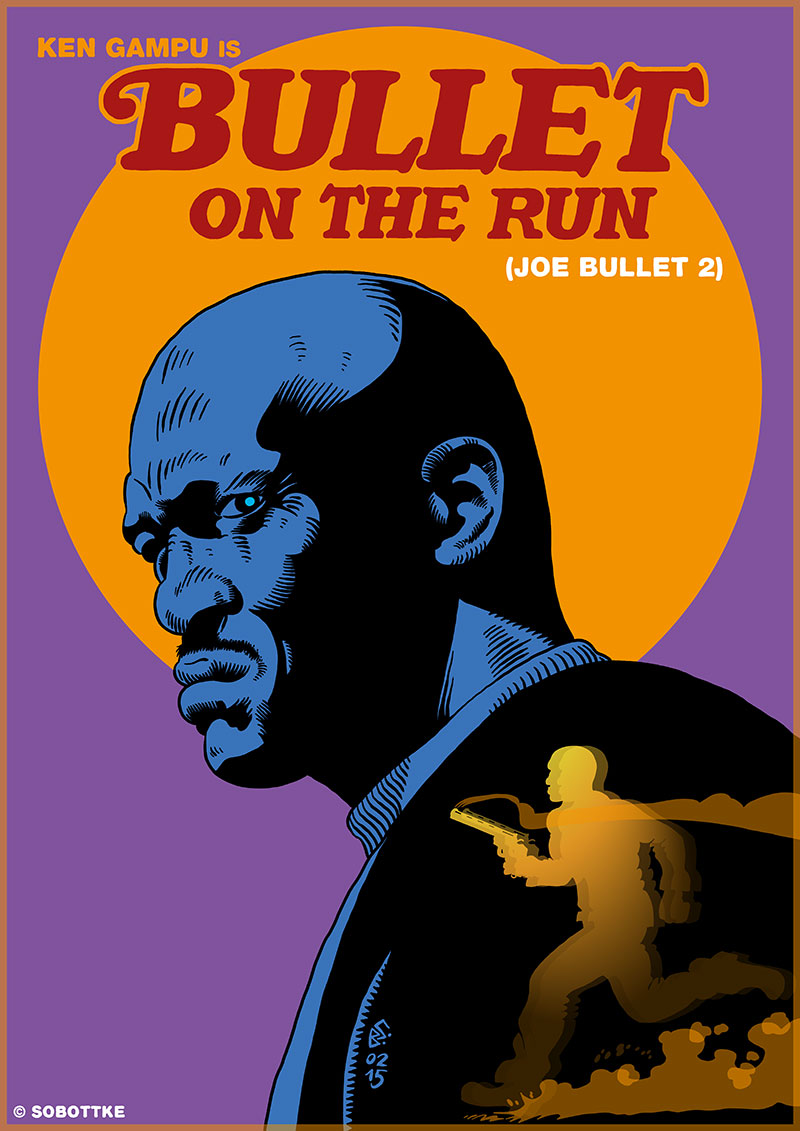
German artist Bela Sobottke recently did some fan art of Joe Bullet after seeing the film at the Berlin Film Festival. We interviewed him for our readers.
+ Where do you live?
I live in Berlin, Germany.
+ What work do you do?
I work as a freelance comic-strip artist and graphic designer.
+ What do you like to draw/what inspires you?
I draw various stuff to pay my bills… But what I really love to draw is weird and fun genre comics. My current release KEINER KILLT SO SCHÖN WIE ROCCO is a weird western with lots of misfit characters, monsters, mutants and Apache zombies. You can catch a glimpse at https://vimeo.com/channels/2werk.
A lot of my inspiration comes from the movies, especially Exploitation and Grindhouse: Horror, Spaghetti Western, Blaxploitation… Which leads us to JOE BULLET!
+ What made you fall in love with Joe Bullet?
I saw JOE BULLET at the Berlinale (along with UMBANGO). I was instantly hooked by the cool characters, the tough action, the charismatic lead actor Ken Gampu, the groovy music (If you release the Soundtrack I’m the first to buy it) and the Blaxploitation feeling paired with that specific african vibe. Plus there is the special background story about JOE BULLET, the inhuman Apartheid circumstances, the ban, the myth… and finally the rediscovery. When Benjamin Cowley mentioned the sequel BULLET ON THE RUN after the screening, I immediately had this movie poster on my mind…
+ What is a quote you live by?
“When the going gets weird, the weird turn pro.” Hunter S. Thompson
10 Reasons RetroAfrika Inspires Filmmakers Today

Benjamin Cowley, Tonie van der Merwe, Darryl Els
1. These films are from a crucial part of South African history
2. These films show the extraordinary talent, drive + imagination South Africans had despite hardship occurring during the Apartheid era
3. Tonie van der Merwe is an award-winning Director + Producer who has become a role model to young South African filmmakers today
4. They provided a way for people to escape during harsh times + their inspiration element has not been lost on audiences today. See CEO Benjamin Cowley’s interview here
5. They are unique + touching
6. They instigate important dialogue around issues from the past to prevent them happening again today
7. They connect people across cultures, nations + background
8. They are a preservation of our past
9. They are iconic viz. Joe Bullet was coined South Africa’s first ever Blaxploitation film
10. They provided work for artists (actors, film producers, crew members) who would otherwise have had no work
See award-winning Director Tonie van der Merwe’s interview in the News recently, See us in old press from the 70’s here.
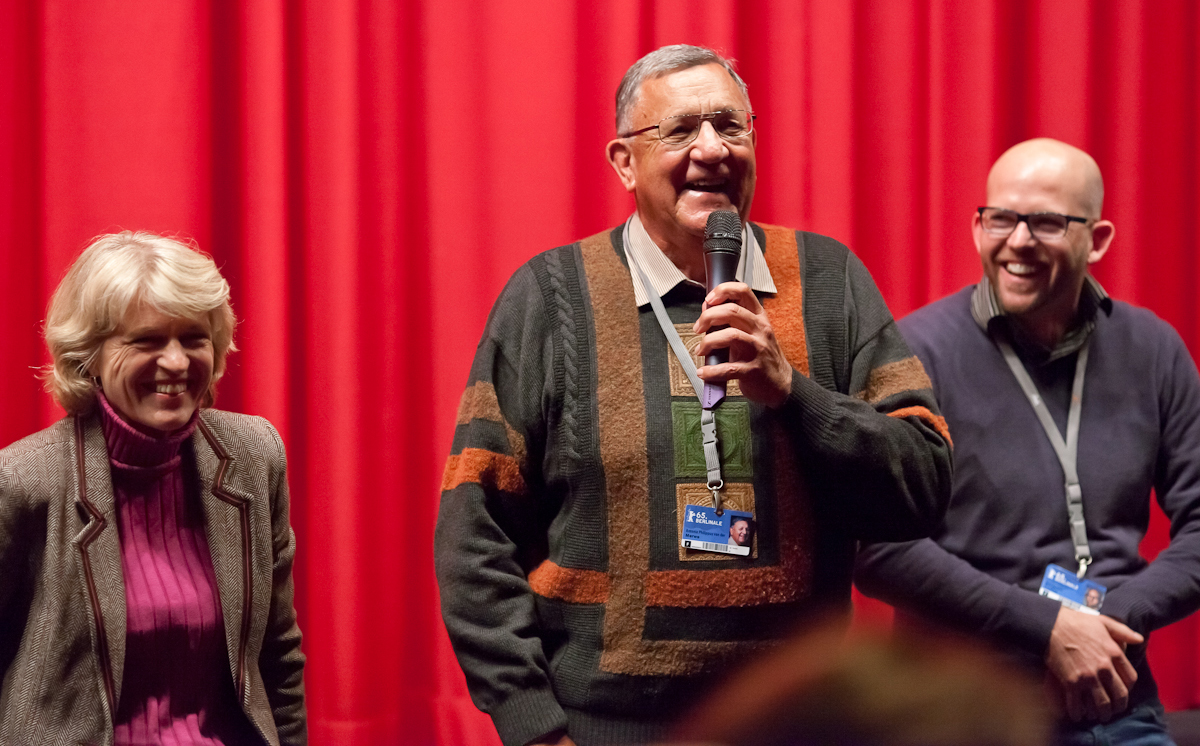
Dorothee Wenner, Tonie van der Merwe, Benjamin Cowley
Photos From Berlin!

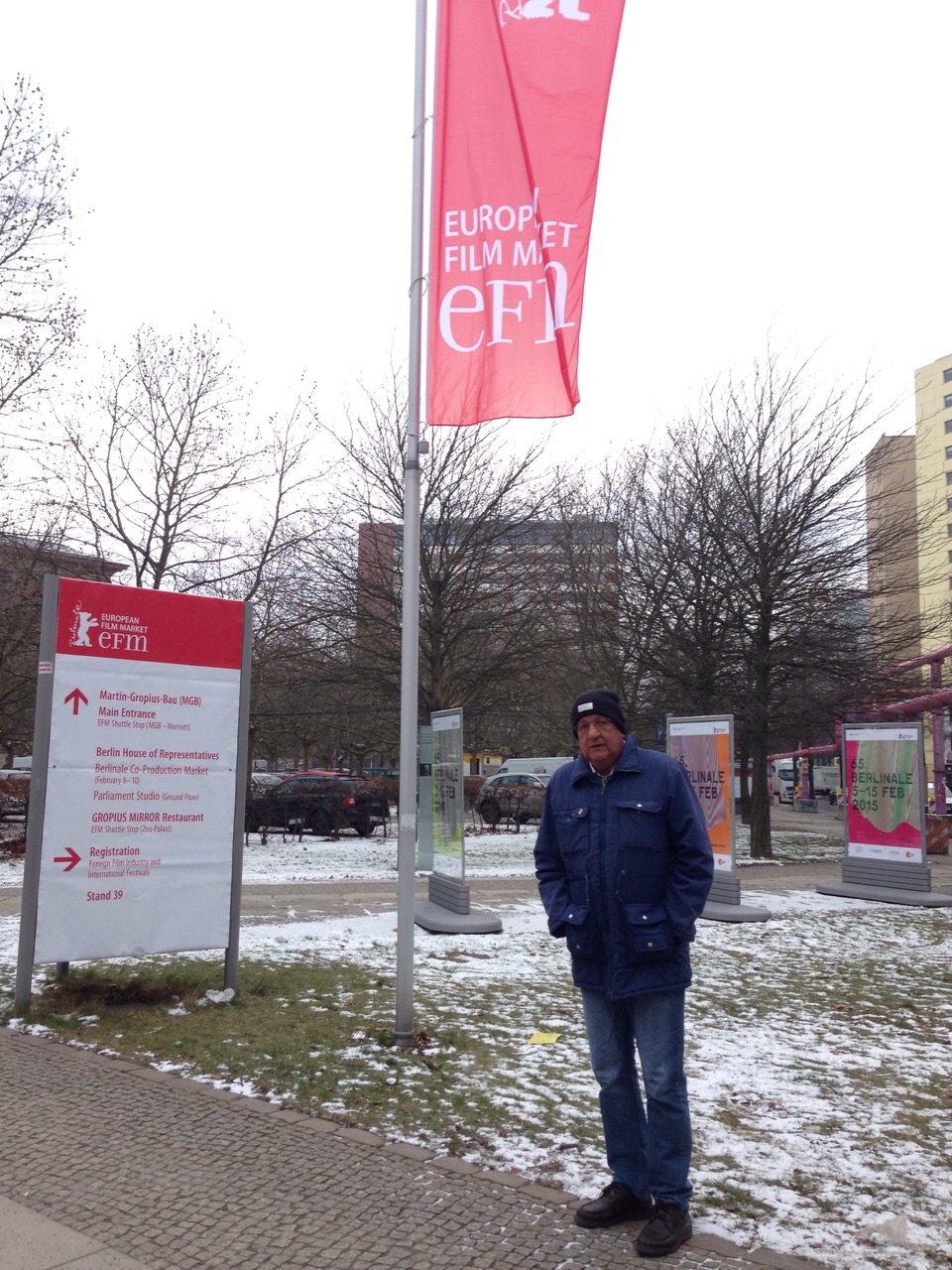
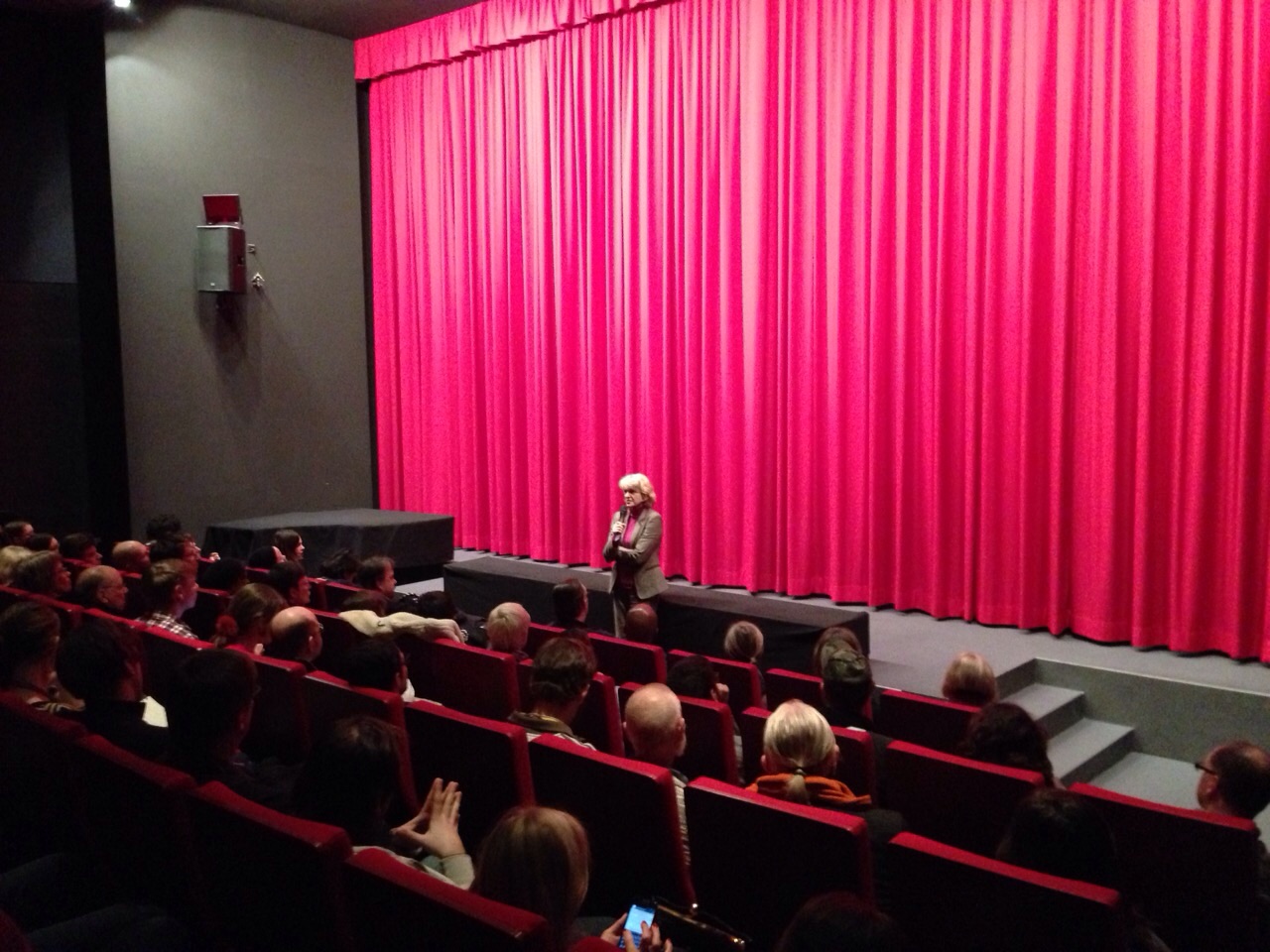
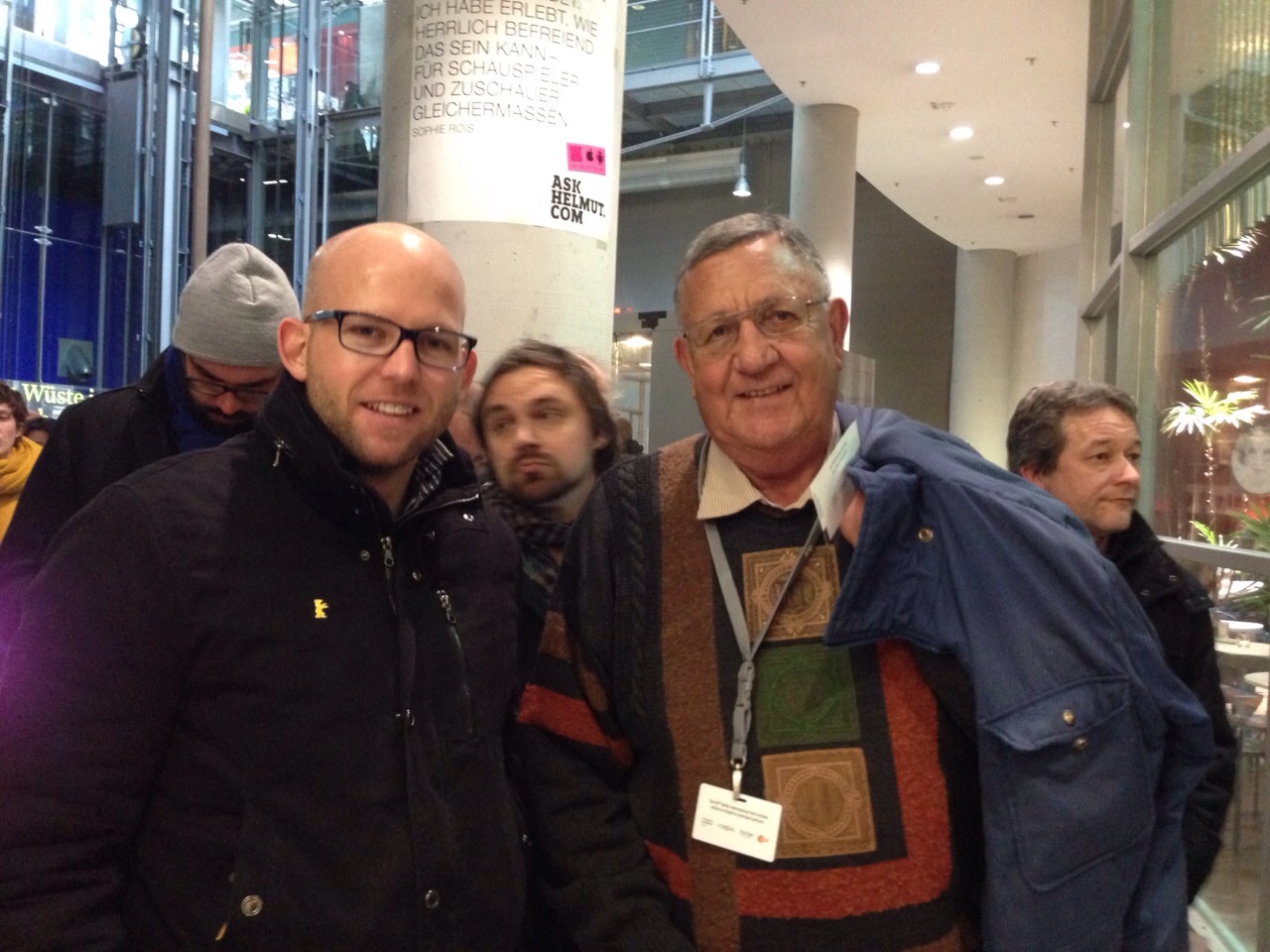
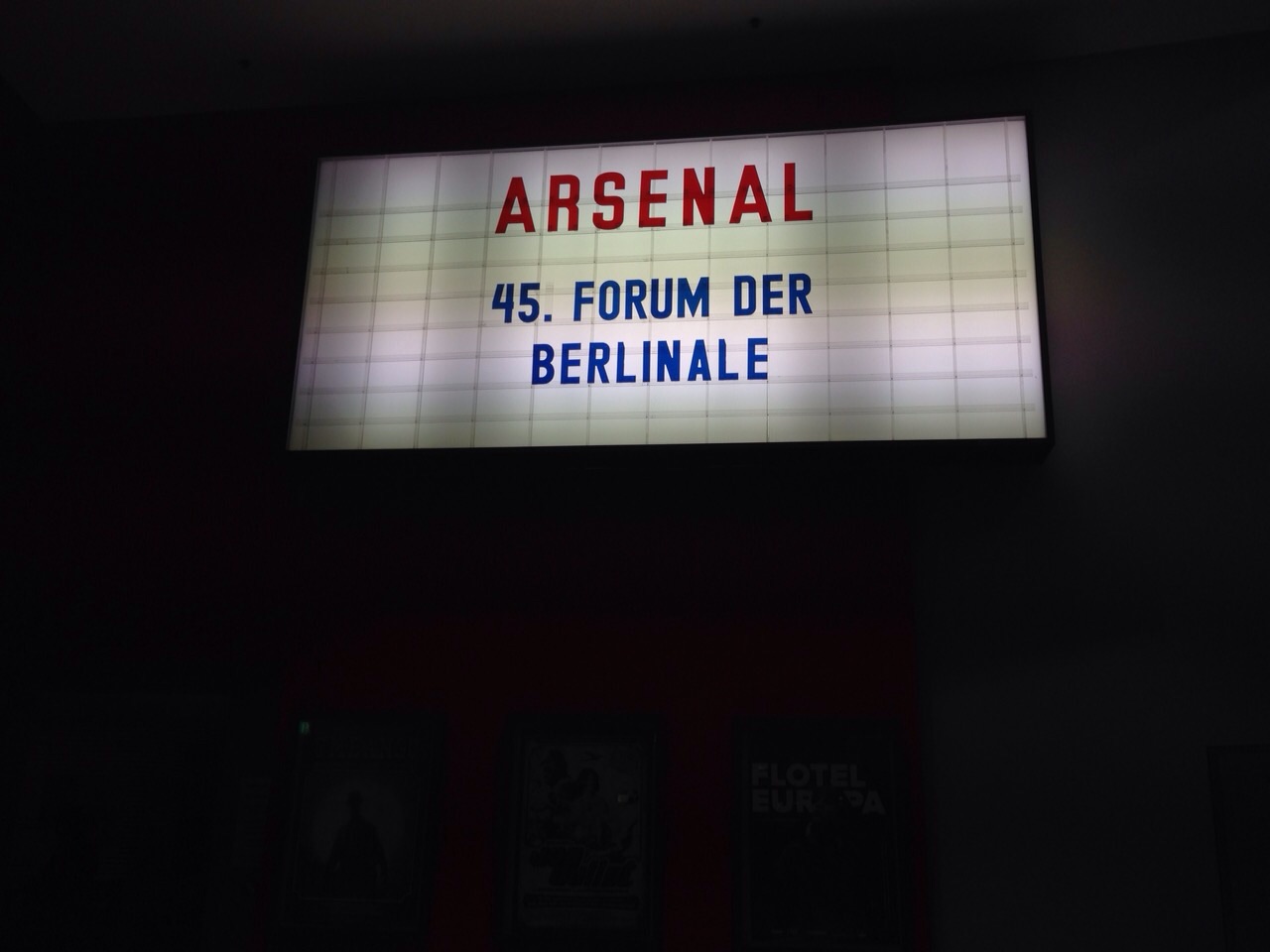
Retro Afrika Bioscope was recently in Berlin for the Berlin Film Festival! Our CEO Ben Cowley made the trip up with Director/Producer Tonie Van Der Merwe who directed “Joe Bullet” + “Umbango” (2 of the films selected to be screened). Here are a few photos from the trip!





A Short (Cool) History of South African Cinema
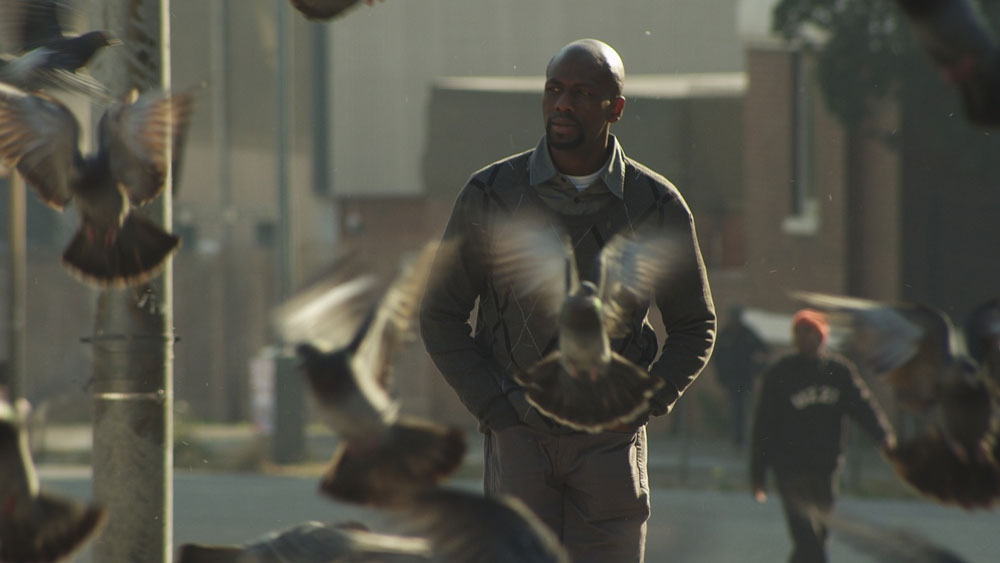
+ During the 1910s and 1920s, many South African films were made in or around Durban. These films often made use of the dramatic scenery available in rural KwaZulu-Natal, particularly the Drakensberg region.
+ KwaZulu-Natal was also served as the appropriate location for historical films such as De Voortrekkers (1916) and The Symbol of Sacrifice (1918)
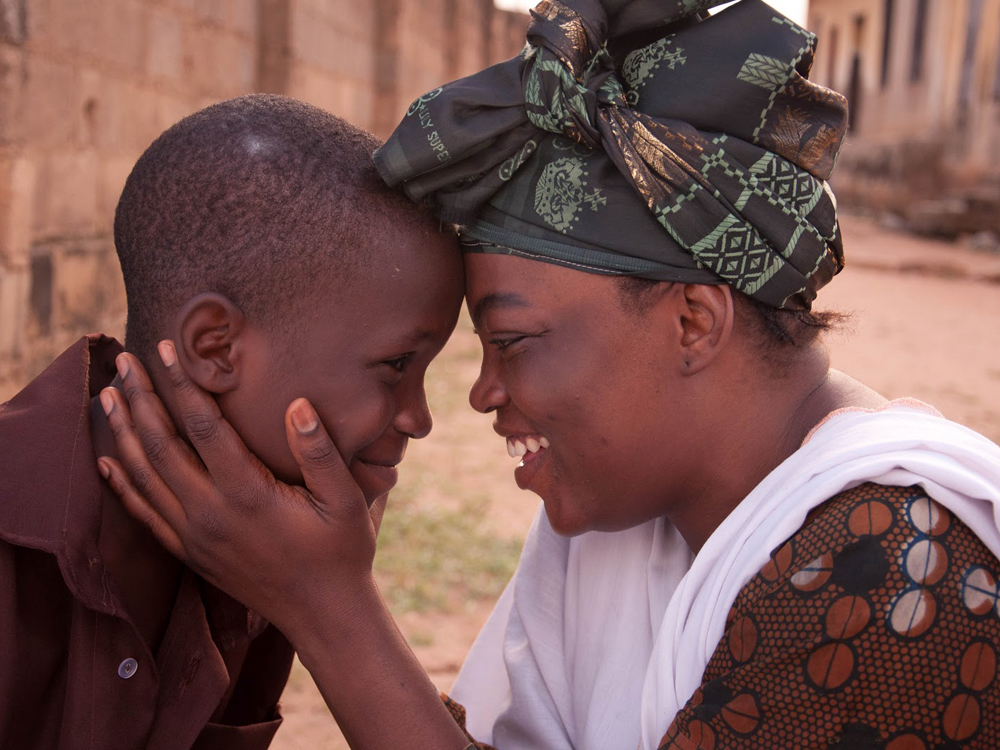
+ Sarie Marais, the first Afrikaans-language sound film, was released in 1931. Subsequent sound releases such as Die Wildsboudjie(1948), a 1949 Sarie Marais remake, and Daar doer in die bosveld (1950) continued to cater primarily to white, Afrikaans-speaking audiences.
+ The 1950s saw an increased use of South African locations and talent by international filmmakers. British co-productions like Coast of Skeletons (1956) and American co-productions like The Cape Town Affair (1957) reflected the a growing trend of shooting in real locations, rather than using backlots.
Facts About Film

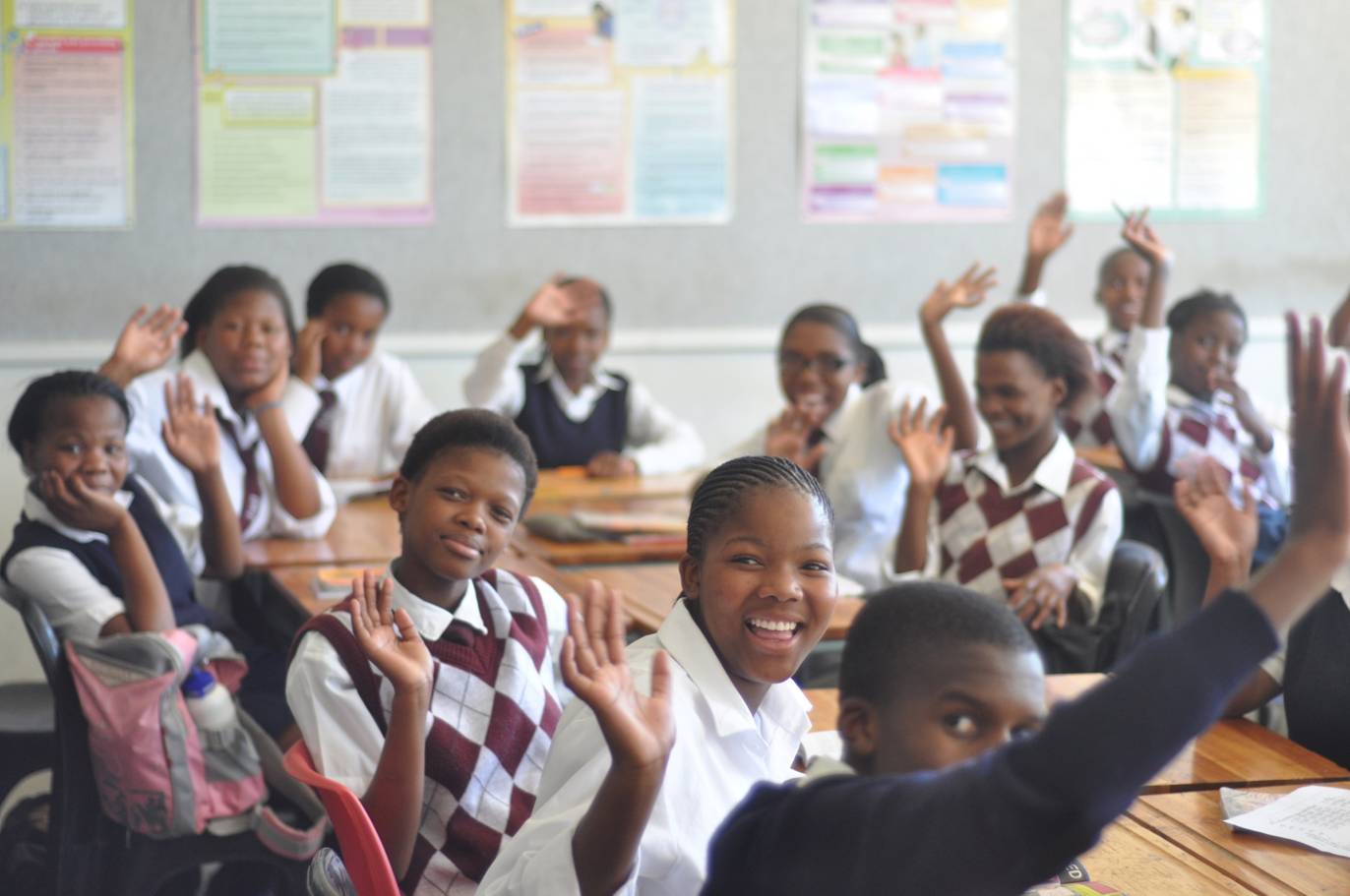
Following us but know nothing about film? Here are a few facts:
+ Feature Films are the long format, fictional (non-factual) films you see in cinemas. They are called long format because they are longer than most other forms of film making – anything between 80 minutes and four hours, with 90 minutes being the average length.
+ They are generally the most expensive kind of film to make, the most demanding, and the most prestigious. Directors of features like Steven Spielberg (USA) or Franco Zeferelli (Italy) are much more famous than people who direct commercials or documentaries for television. It takes hundreds of people to make a feature, and usually millions of Rand – although low budget features are possible, like South African Akin Omotso’s G-d is African (released in 2003).
+ A feature film usually has a dramatic story and identifiable characters.
+ Different countries have developed different kinds of feature films: USA – the Hollywood blockbuster, India – the Bollywood musical melodrama, New Zealand – intense art-house films, Europe – the Dogme 95 movement. African film has also developed its own story-telling techniques, some of which derive from the continent’s rich tradition of oral history and indigenous modes of communication.
+ Since the end of the colonial era, films have been produced which respond creatively to the ever shifting conditions and dilemmas the continent faces. This despite the fact that most African countries are poor (which means less money available to finance films) and they lack the necessary infrastructure (transport, film equipment and facilities).
+ Feature films tell dramatic stories in such a powerful way that they often shape how we see each other.
Why We’re Special
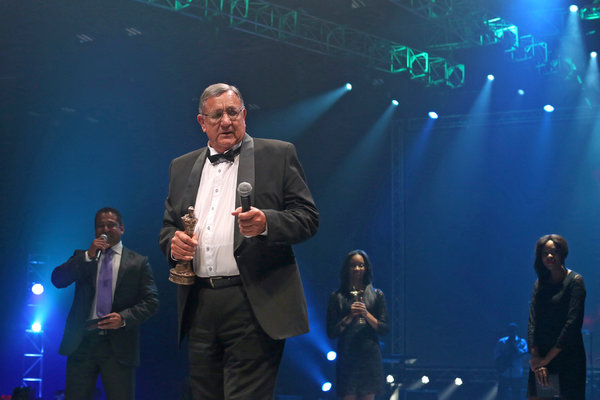
We take old films from South African history + restore them. Cool huh? We also locate the directors + give them awards 🙂
Unknown among his fellow white South Africans, Tonie van der Merwe was the most popular filmmaker among black audiences in the 1970s and ’80s. He churned out about 400 movies under an apartheid subsidy system established to produce movies exclusively for blacks — with the right political and moral content. In fact, he helped create the system.
After his speech at the Durban International Film Festival, gripping a statuette in one hand and a double brandy and Coke in the other, he said: “Without being racist, I thought a white guy won’t easily win a prize, but I was wrong. I thought anything before the 1990s is not easily recognized by the present government. We didn’t exist. We didn’t do anything.”

Mr. van der Merwe created some 400 films in the 1970s and ’80s, including “Joe Bullet,” the country’s first film with an all-black cast. Credit Joao Silva/The New York Times

Residents of Kwamashu watching “Joe Bullet”. The film, released in 1972, was banned after only two showings. Credit Joao Silva/The New York Times
Our Best Posts of 2014

Over the past 12 months we’ve used ourselves as guinea pigs in a new realm. We’ve worked to see whether it’s the old or new films from South African history which inspire you, we’ve learned how to debut our films abroad, and we’ve found better ways to work, write and create.
The process has been enlightening, productive and ultimately just a lot of fun.
With the new year now in full swing, we’ve put away our holiday overindulgences to take time to reflect on some of our favourite (and most popular) articles of 2014:
Uthemba
KEY CREW & CAST
| Director | Rudi Mayer | Cast | Lucas Tsiane |
| Producer | Rudi Mayer | Muntu Ndebele | |
| Writer | Rudi Mayer | Aaron Mbuli | |
| DOP | Rudi Mayer | Danney Maphalala | |
| Editor | N/A | Anton Sibanda | |
| Sound | Frank Muller | Jerry Ndabukelwayo | |
| Y.O.P | 1980’s | Patrick Ntuli | |
| Running Time | 93 min | Josef Mualefe | |
| Language | isiZulu | Mandy Kunene | |
| Genre | Crime / Drama | Patricia Mothibedi |
SYNOPSIS
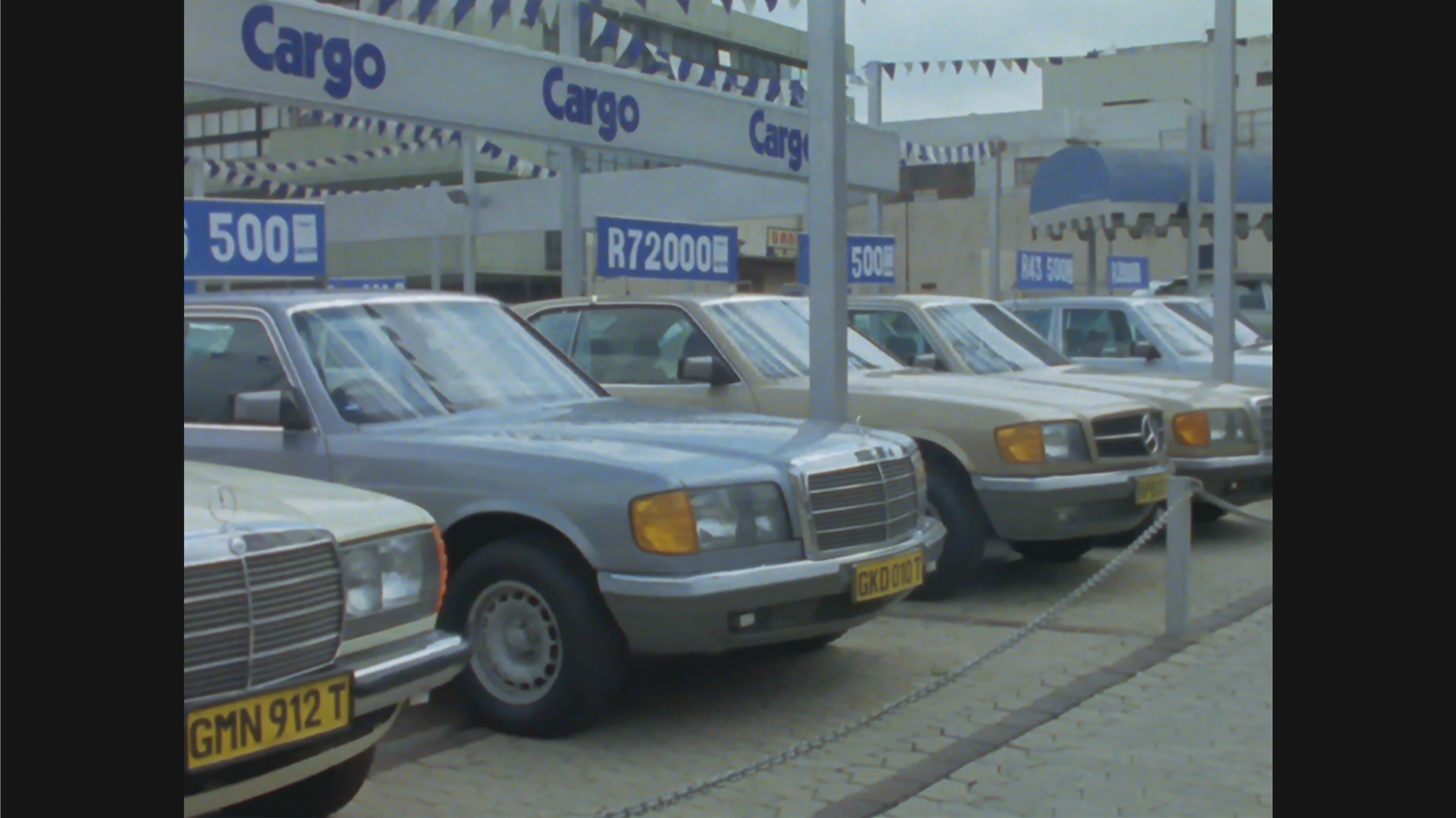
Themba is released from serving two years in prison for his best friend, Vusi. Upon his release, he discovers that Vusi, the car thief, has been sleeping with his girlfriend, Thandi. Themba decides to change his fate and become a snitch – helping the police put an end to Vusi’s on-going crime spree. Vusi has Thandi executed, blaming her for his current misfortunes. Themba moves the final chess piece into place, resulting in Vusi’s ultimate demise and capture.

Undercover
KEY CREW & CAST
| Director | Tony Cunningham | Cast | Emmanuel Shangase |
| Producer | Mitch Dyer | Roy Dlamini | |
| Writer | Lorraine Philbrick | Pepsi Mabizela | |
| DOP | Tony Cunningham | Mandla Ngconya | |
| Editor | N/A | Max Mkhwanazi | |
| Sound | Simon Bleakley | Zanele Nyidi | |
| Y.O.P | 1980’s | Sylvia Makhathini | |
| Running Time | 68 min | ||
| Language | N/A | ||
| Genre | Crime |
SYNOPSIS
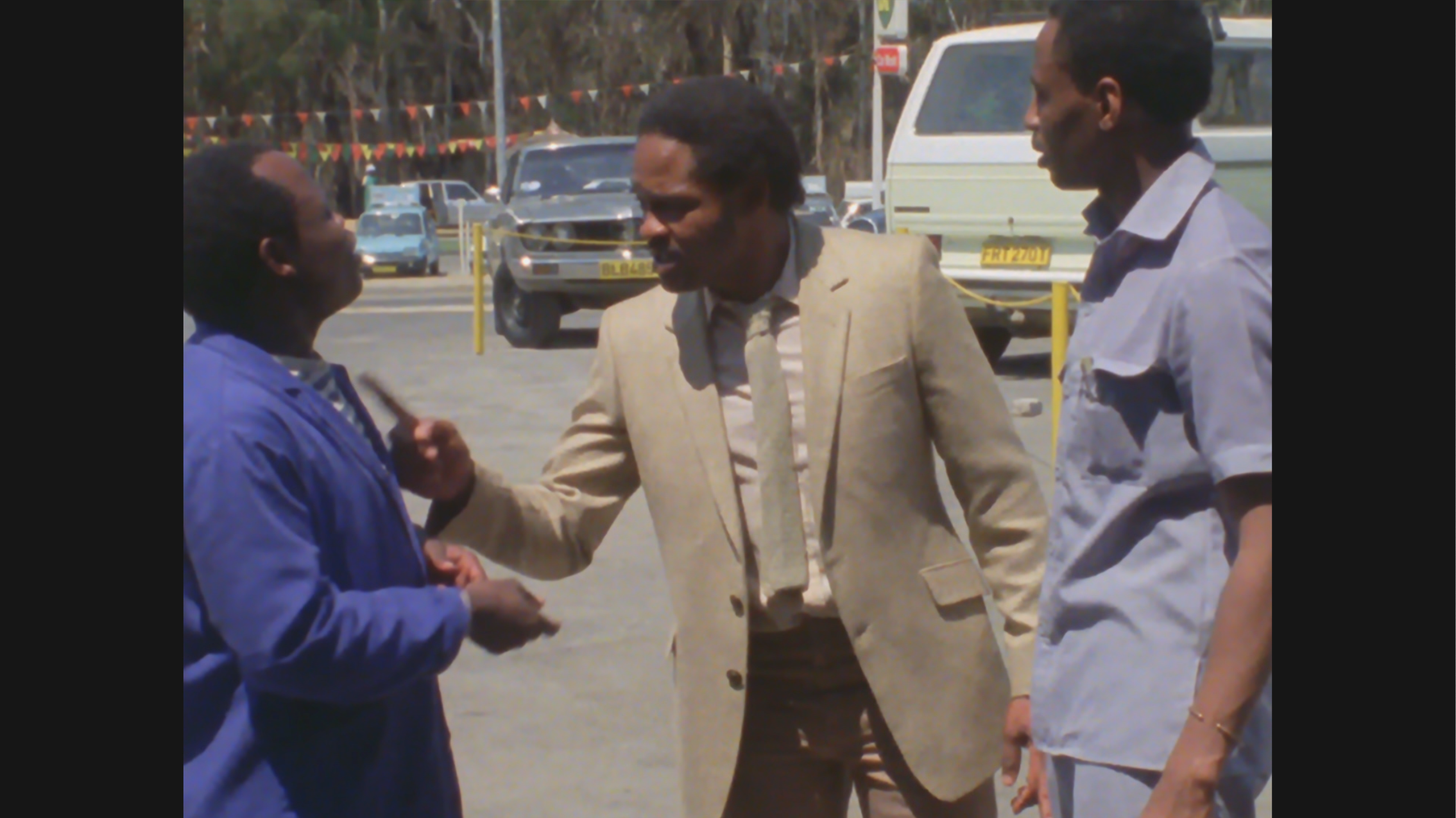
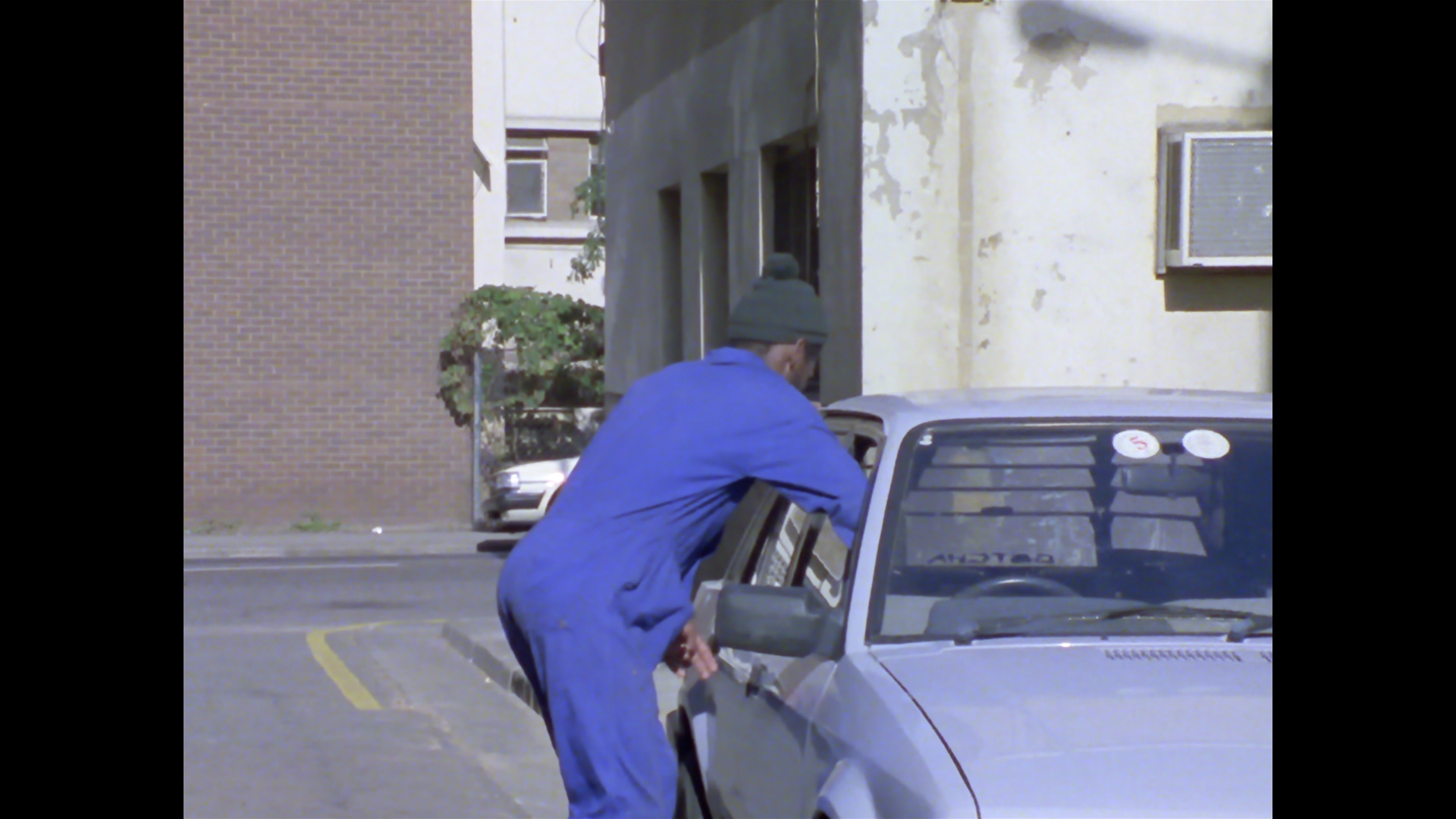
A hard-working police sergeant is tasked with an under-cover assignment where he must pose as a mysterious assassin known as “Jakalasi”. His mission is to execute a hit on the local police captain.
But it’s a dangerous game the young cop is playing, and with the mob boss’ right-hand man suspicious of the new arrival, it’s only a matter of time before his cover is blown. When that day finally comes, all hell will break loose for the cop and his friends.

 Retro Afrika Bioscope