What Was Happening When

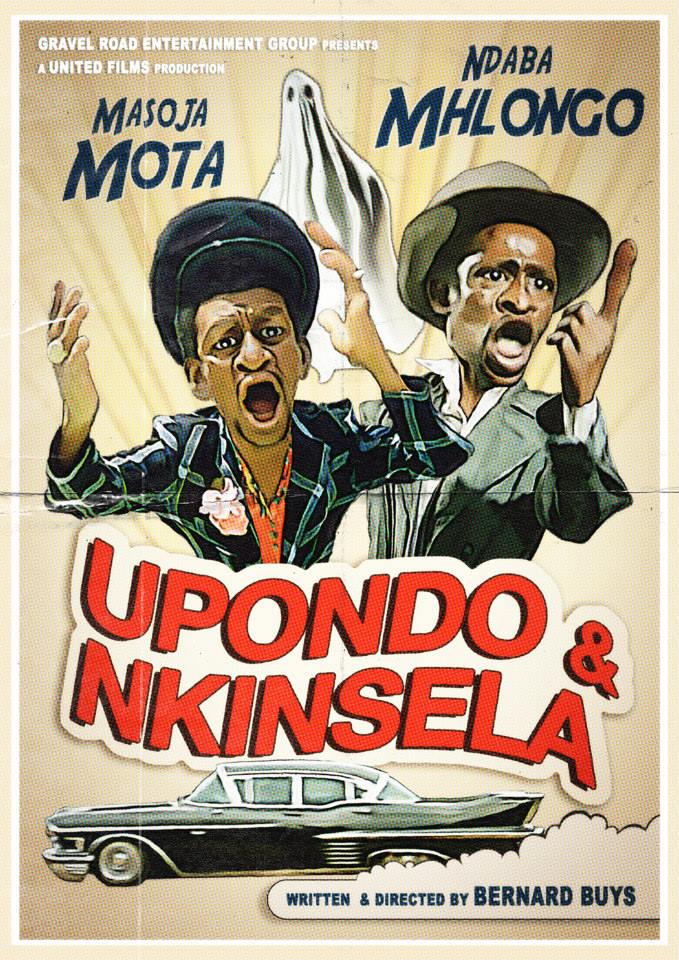
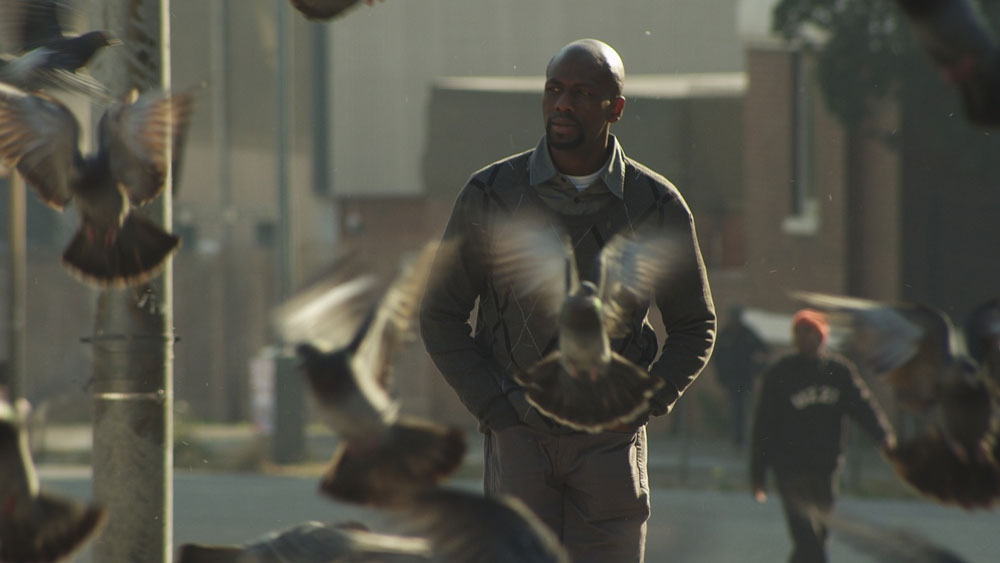
1980 – Upondo No Nkinsela

11665604_492677007557579_5073273215748169717_n

January

14 – The local community at Soekmekaar resists forced removal and damages the police station.

March

12 – The Nederduits Gereformeerde Kerk (NGK) together with its sister churches for Blacks (the NGK in Afrika), Coloureds (the NG Sendingkerk) and Indians (the Reformed Church in Africa), issue a statement that the Churches will bring no objection in principle should authorities judge that circumstances justify reconsideration of the Immorality Act and the Mixed Marriages Act.

April

4 – Umkhonto we Sizwe attacks the Booysens Police Station in Johannesburg with grenades, rocket launchers and AK47s.

May

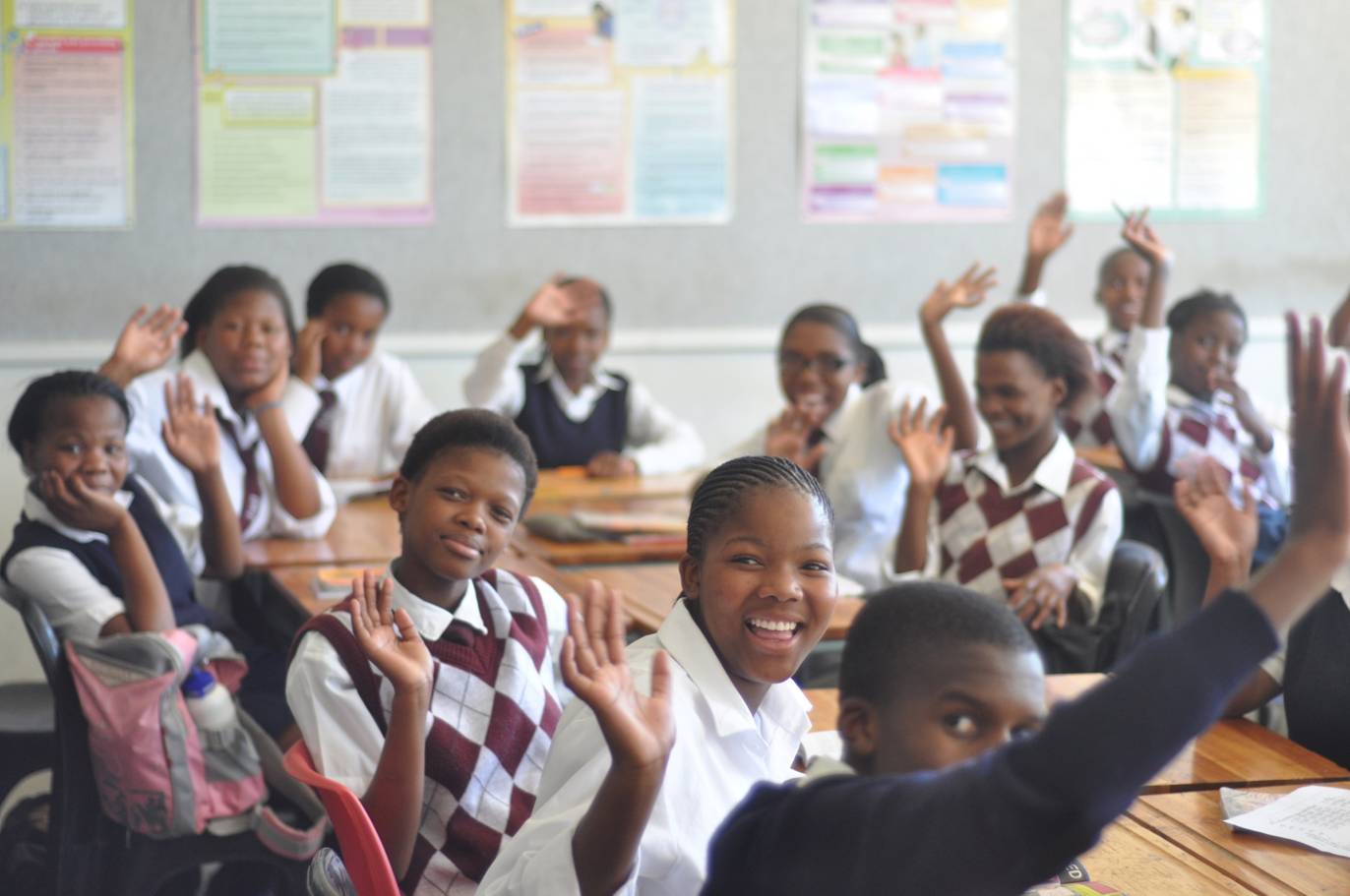
2 – Pink Floyd’s Another Brick in the Wall is banned because the government fears that it might be used as a song of liberty by black school children.

June

1 – Bombs explode at Sasol One and Two and Natref Eight at Sasolburg and Secunda, with no injuries and RM58 damage. The attack was organised by Solomon Mahlangu of the Umkhonto weSizwe Special Operations.

August

Special Branch policeman Detective-Sergeant T.G. Zondi is shot at in Sobantu Village.

October

14 – The Soweto community calls for a stayaway to protest against rent increases.

November

21 – A terrorist is killed in Chiawelo and a child is injured by police in the process.

What Was Happening When

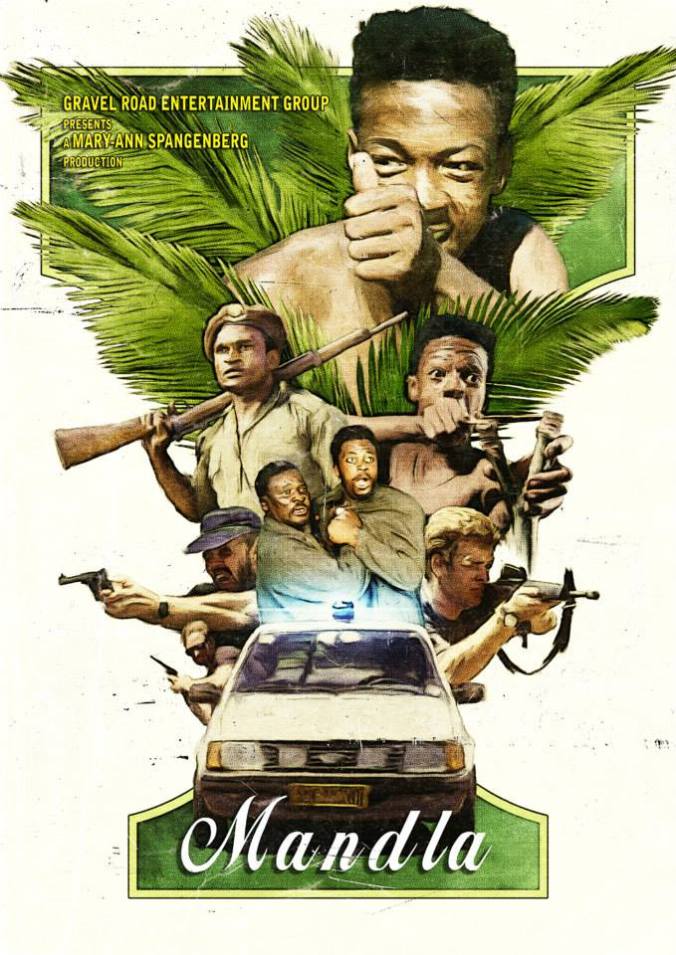
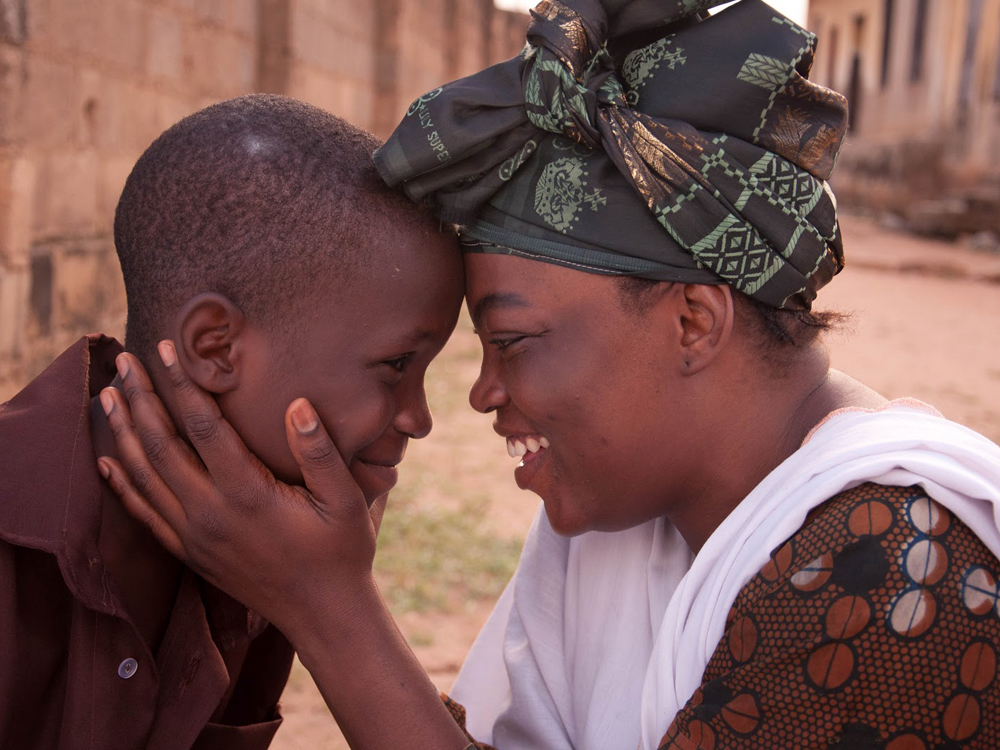
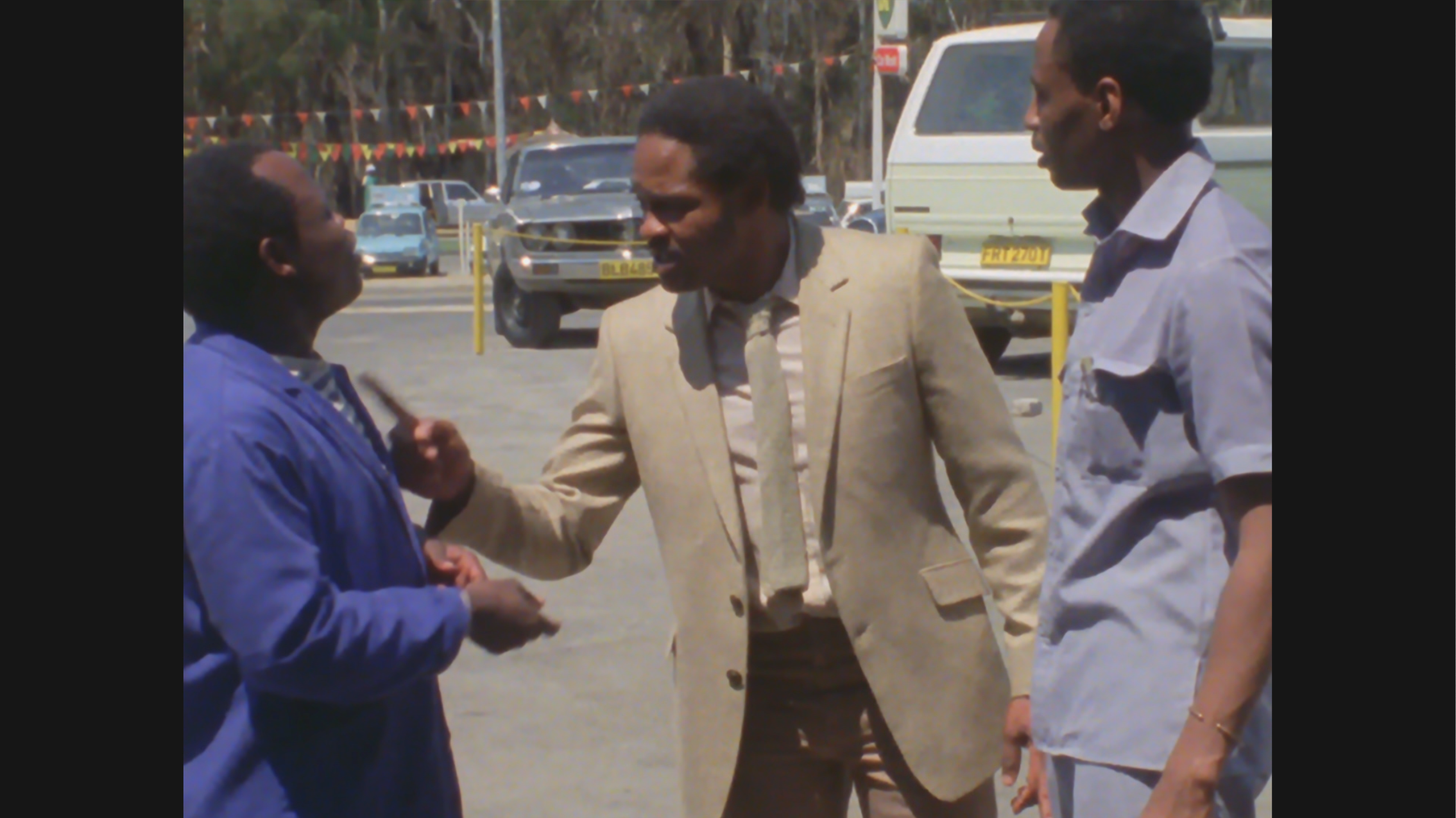
1980 – Mandla

When two dim-witted thieves escape from prison and ransack Mandla’s house, the young boy’s parents believe he and his friend are to blame. Determined to prove their innocence, Mandla and his pal set off in search of the true culprits.

11038385_486928901465723_7596702628370782497_n

January

14 – The local community at Soekmekaar resists forced removal and damages the police station.

March

12 – The Nederduits Gereformeerde Kerk (NGK) together with its sister churches for Blacks (the NGK in Afrika), Coloureds (the NG Sendingkerk) and Indians (the Reformed Church in Africa), issue a statement that the Churches will bring no objection in principle should authorities judge that circumstances justify reconsideration of the Immorality Act and the Mixed Marriages Act.

April

4 – Umkhonto we Sizwe attacks the Booysens Police Station in Johannesburg with grenades, rocket launchers and AK47s.

May

2 – Pink Floyd‘s Another Brick in the Wall is banned because the government fears that it might be used as a song of liberty by black school children.

June

1 – Bombs explode at Sasol One and Two and Natref Eight at Sasolburg and Secunda, with no injuries and RM58 damage. The attack was organised by Solomon Mahlangu of the Umkhonto weSizwe Special Operations.

August

Special Branch policeman Detective-Sergeant T.G. Zondi is shot at in Sobantu Village.

October

14 – The Soweto community calls for a stayaway to protest against rent increases.

November

21 – A terrorist is killed in Chiawelo and a child is injured by police in the process.

Our Favourite Tweets! #Spreadthelove

What Was Happening When

TreasureHunter-framegrabs-13

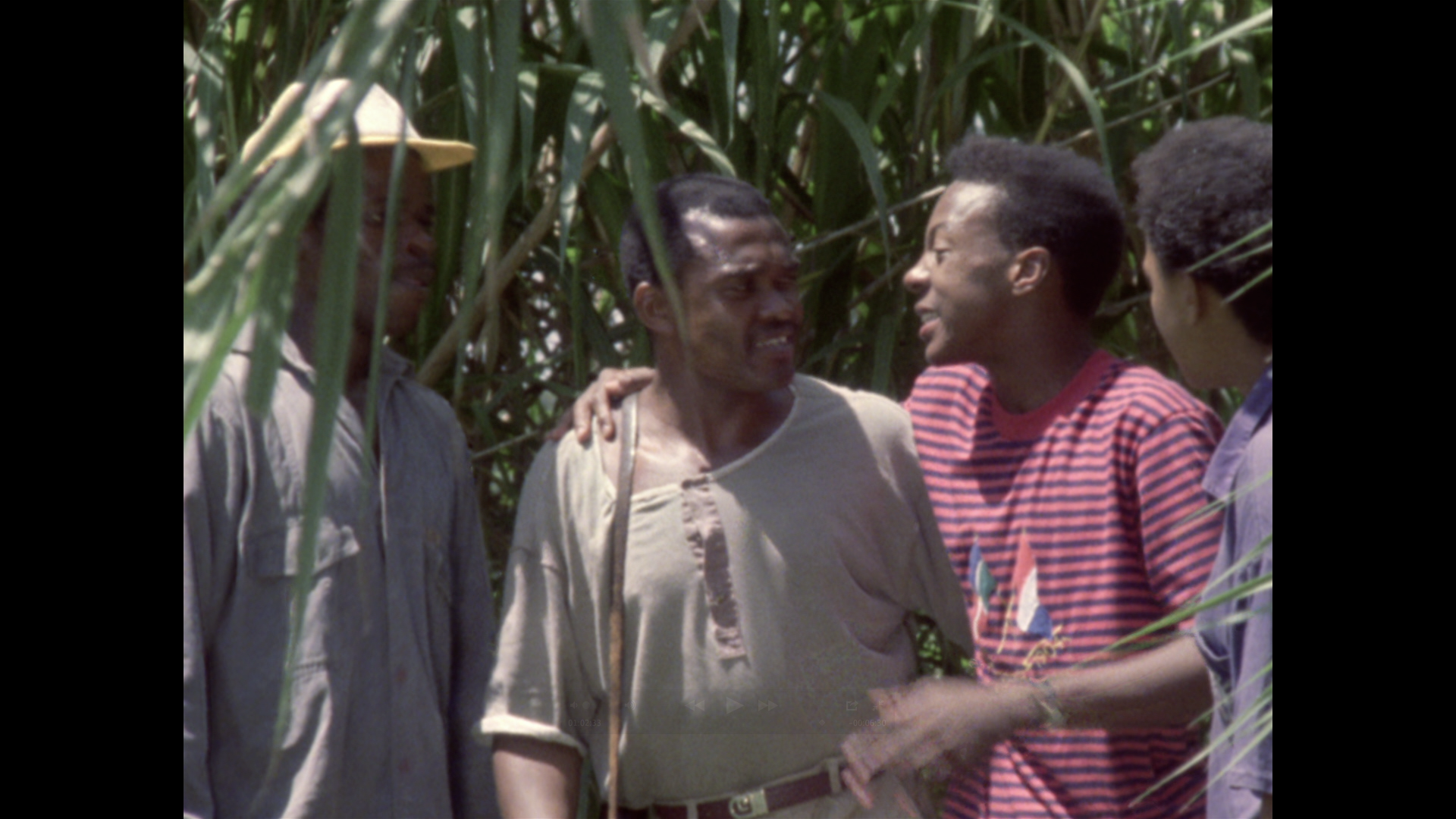
1989 – Treasure Hunters

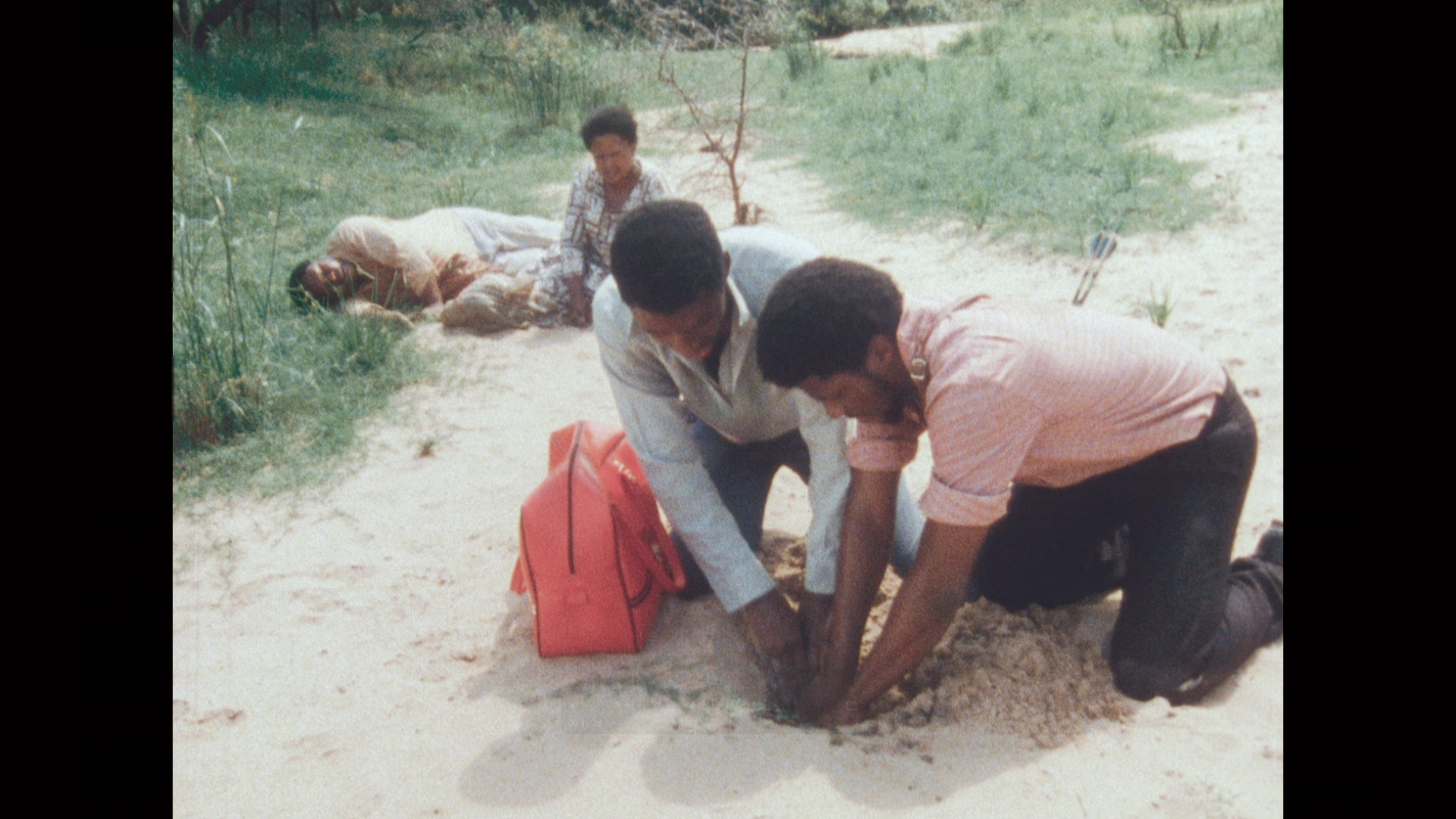
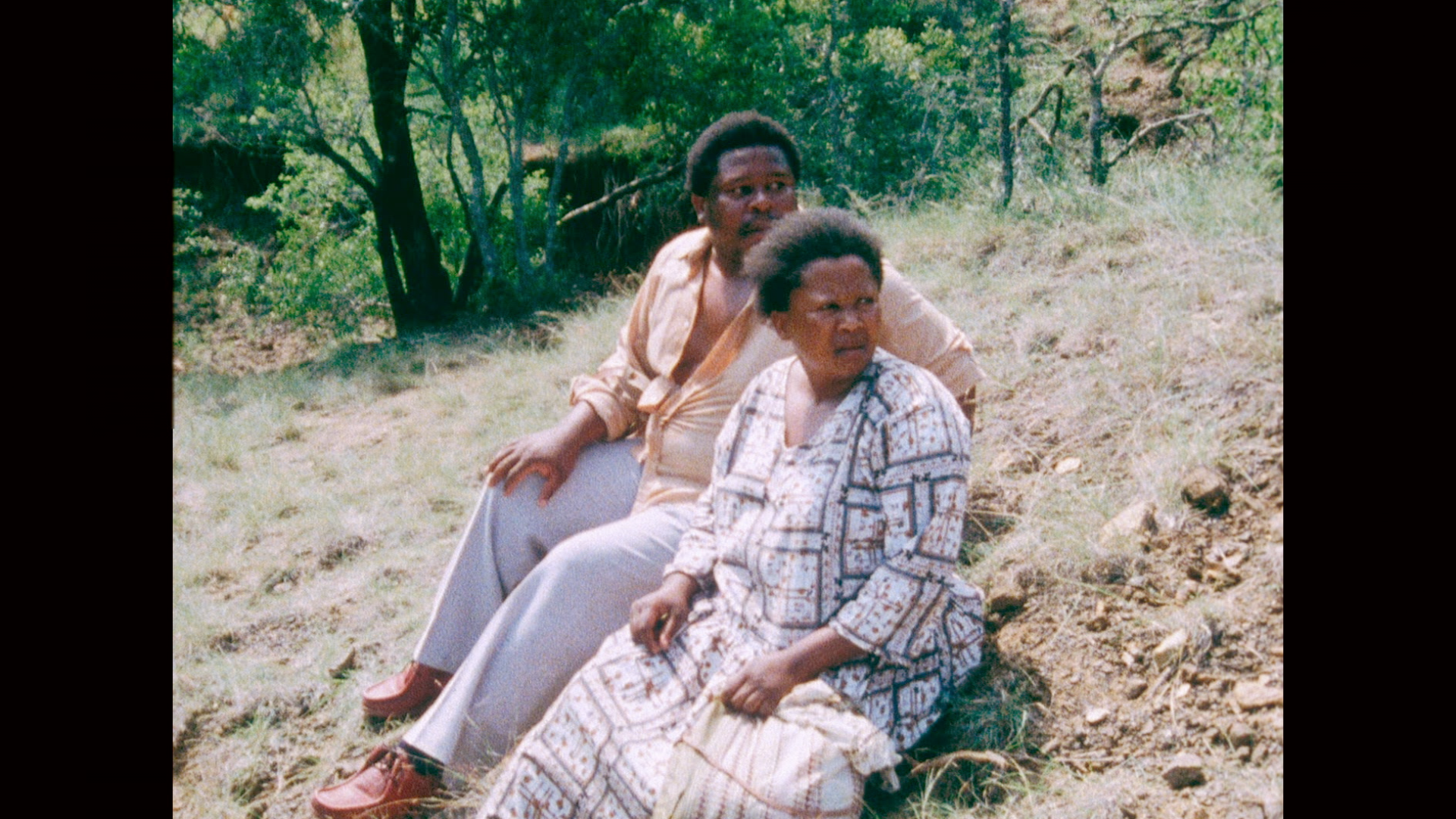
After hearing a tale of a mysterious lost treasure, an old man’s family heads off on a perilous journey only to suffer the same fate as the shipwrecked survivors from sixty years ago.

+ Jan 8 The African National Congress announces that it will start dismantling its guerrilla camps in Angola in support of the peace process.

+ Jan 18 State President of South Africa P.W. Botha has a mild stroke.

+ Feb 2 An ailing State President Pieter Willem Botha steps down from the leadership of the National Party, but remains state president.

+ Feb 2 Trevor Manuel is released from detention under stringent restriction orders.

+ March 15–21 A conference of African National Congress chief representatives and regional treasurers takes place in Gran, Norway.

+ Date Unknown An explosion occurs outside the Natal Command HQ on Durban‘s beachfront.

+ May 5 Three South African Embassy staff are ordered to leave Britain within 7 days because of the attempted smuggling of a Blowpipe missile.

+ May 17 Tumelo Faith Sindane is born at Zebediela.

+ July 5 PW Botha, State President of South Africa, and Nelson Mandela, in prison at the time, meet for the first time.

+ August 10 The Cabinet prevails on P.W. Botha to resign as state president and FW de Klerk becomes acting State President of South Africa.

+ Date Unknown A grenade is thrown into a Labour Party polling station in Bishop Lavis.

+ September 12 Anton Lubowski, advocate and secretary-general of the South West Africa People’s Organization, is shot dead outside his home in Windhoek, South West Africa.

+ November 27 The Hex River Tunnels system is officially opened. The system’s longest tunnel is 13.5 kilometres (8.4 miles) long, the longest railway tunnel in Africa.

TreasureHunter-framegrabs-19

TreasureHunter-framegrabs-16

TreasureHunter-framegrabs-11

A Short (Cool) History of South African Cinema

African Cinema

+ During the 1910s and 1920s, many South African films were made in or around Durban. These films often made use of the dramatic scenery available in rural KwaZulu-Natal, particularly the Drakensberg region.

+ KwaZulu-Natal was also served as the appropriate location for historical films such as De Voortrekkers (1916) and The Symbol of Sacrifice (1918)

African Cinema

Sarie Marais, the first Afrikaans-language sound film, was released in 1931. Subsequent sound releases such as Die Wildsboudjie(1948), a 1949 Sarie Marais remake, and Daar doer in die bosveld (1950) continued to cater primarily to white, Afrikaans-speaking audiences.

+ The 1950s saw an increased use of South African locations and talent by international filmmakers. British co-productions like Coast of Skeletons (1956) and American co-productions like The Cape Town Affair (1957) reflected the a growing trend of shooting in real locations, rather than using backlots.

African Cinema

Why We’re Special

Tonie Van Der Merwe

We take old films from South African history + restore them. Cool huh? We also locate the directors + give them awards 🙂

Unknown among his fellow white South Africans, Tonie van der Merwe was the most popular filmmaker among black audiences in the 1970s and ’80s. He churned out about 400 movies under an apartheid subsidy system established to produce movies exclusively for blacks — with the right political and moral content. In fact, he helped create the system.

After his speech at the Durban International Film Festival, gripping a statuette in one hand and a double brandy and Coke in the other, he said: “Without being racist, I thought a white guy won’t easily win a prize, but I was wrong. I thought anything before the 1990s is not easily recognized by the present government. We didn’t exist. We didn’t do anything.”

Mr. van der Merwe created some 400 films in the 1970s and ’80s, including “Joe Bullet,” the country’s first film with an all-black cast. Credit Joao SilvaThe New York Times

Mr. van der Merwe created some 400 films in the 1970s and ’80s, including “Joe Bullet,” the country’s first film with an all-black cast. Credit Joao Silva/The New York Times

Residents of Kwamashu watching “Joe Bullet” this month. The film, released in 1972, was banned after only two showings. Credit Joao Silva/The New York Times

Residents of Kwamashu watching “Joe Bullet”. The film, released in 1972, was banned after only two showings. Credit Joao Silva/The New York Times

Uthemba

Uthemba South African Cinema
KEY CREW & CAST
Director Rudi Mayer Cast Lucas Tsiane
Producer Rudi Mayer Muntu Ndebele
Writer Rudi Mayer Aaron Mbuli
DOP Rudi Mayer Danney Maphalala
Editor N/A Anton Sibanda
Sound Frank Muller Jerry Ndabukelwayo
Y.O.P 1980’s Patrick Ntuli
Running Time 93 min Josef Mualefe
Language isiZulu Mandy Kunene
Genre Crime / Drama Patricia Mothibedi
SYNOPSIS

Themba is released from serving two years in prison for his best friend, Vusi. Upon his release, he discovers that Vusi, the car thief, has been sleeping with his girlfriend, Thandi. Themba decides to change his fate and become a snitch – helping the police put an end to Vusi’s on-going crime spree. Vusi has Thandi executed, blaming her for his current misfortunes. Themba moves the final chess piece into place, resulting in Vusi’s ultimate demise and capture.

Uthemba South African Cinema

Uthemba South African Cinema

MOMA Screening of Joe Bullet

Moma To Save + Project

In New York this month, “Joe Bullet” is screening at the MoMA Museum of Modern Art. The screening will take place on the 8th + 13th of November.

Join our Facebook page here.

Read more about the MoMA “To Save and Project” Film Festival here.

Fast Facts about Joe Bullet

+ Stars: Ken Gampu, Abigail Kubeka, Joe Lopez, Jimmy Sabe, Cocky Tlholthalemaje,Matthew Molete, Sidney Charma

+ Genre: Action, Blaxploitation

+ Directed By: Louis de Witt

+ Synopsis: In the criminal underworld of soccer, one man will have to save the championship! When local soccer team “The Eagles” fall prey to a series of onslaughts from a mysterious gangster only a week before the championship final, the team turns to the one man that can help save their chances at victory – Joe Bullet.

Moma To Save + Project

20 Fast Facts About Us

Framegrab from "Zero for Zep"

Framegrab from “Zero for Zep”

+ We work out of the Waterfront Film Studios in Cape Town

+ We have the only restoration facility in the Southern Hemisphere

+ We are a label of Gravel Road Entertainment Group in South Africa. See our Google+ pages here and here

+ It takes about 4-6 weeks to restore a film

+ All our films are from the 70’s/80’s in South Africa

+ Lots of films were made during this time because the government created a film subsidy that promoted the production of film. There were two subsidies: one that was geared toward white films being produced for white audiences and there was one for black audiences. The idea behind that was to create entertainment for the majority of the population to keep their minds off of any form of political unrest

+ We acquire distribution rights by tracking down these films and tracking down the owners. We then approach the owners and buy over the rights of the film

+ We identify restoration projects once we scan the films. We make the call then on whether or not there’s a commercial life on the film

+ We are trying to track down the actors from the movies to show you where they are now

+ Our most popular films so far have been “Joe Bullet” and “Trompie

+ “Joe Bullet” has been coined South Africa’s first Blaxploitation film. It’s based off of the American Blaxploitation film “Shaft,” which was made in 1973. It was banned in South Africa when it came out in 1973. It has its own IMDB page

+ We’ve appeared on CNBC, SABC, DSTV for interviews. See all our videos here

+ We’re on Twitter here and Facebook here

+ We have our very first DVD coming out in stores across South Africa. It’s our restored version of “Trompie”. “Trompie” is so popular it has its own Facebook page here

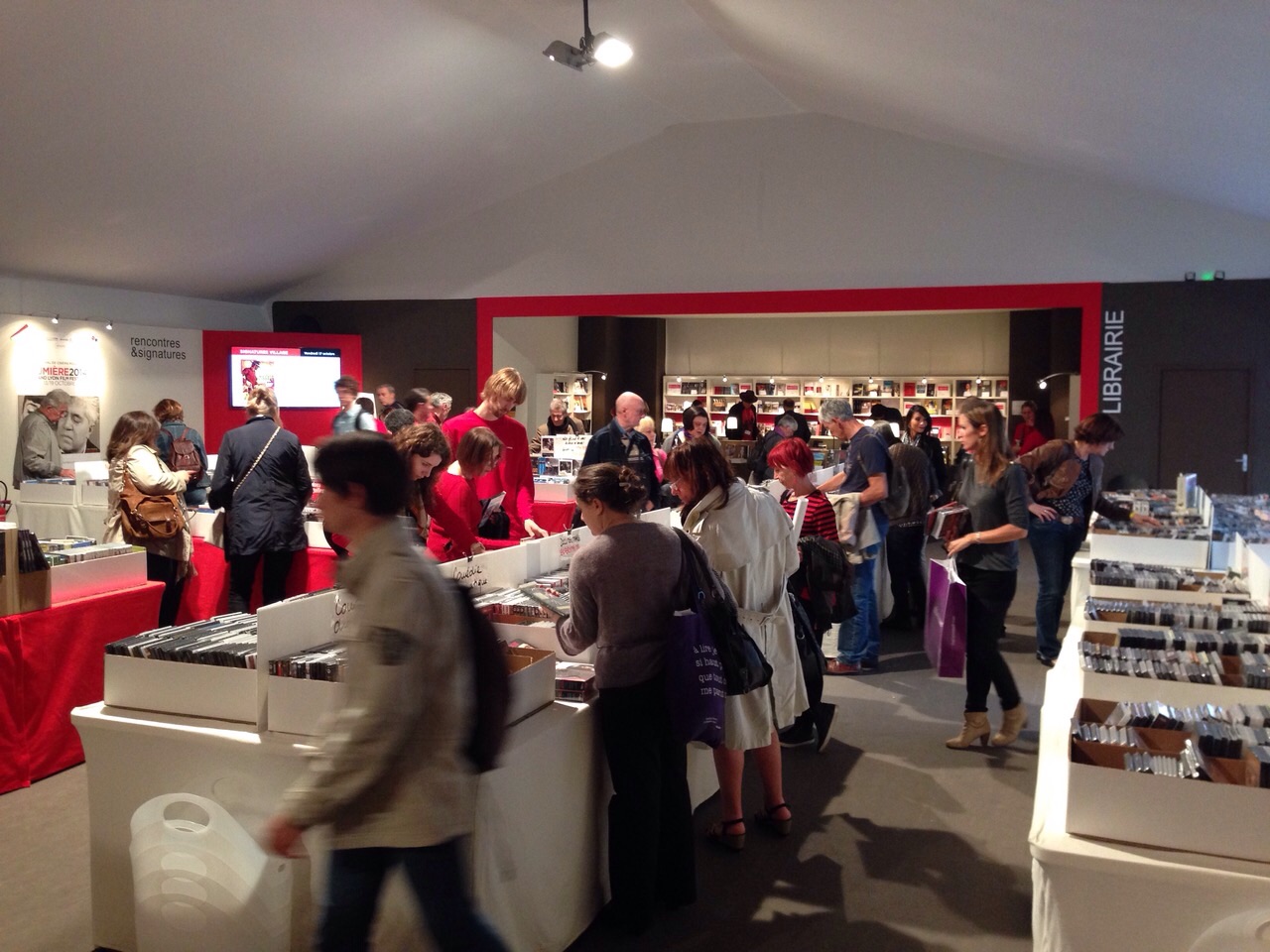
+ We have just come back from France for the “Lumiere 2014” Film Festival where we showed our restored version of “Joe Bullet”. “Joe Bullet” is so popular it has its own Facebook page here

+ We appeared recently in Variety magazine

+ We’ve just joined Pinterest! Check out our awesome board here

+ We love YouTube. We have a channel here

+ The producer of a number of the films, Tonie van der Merwe, came with us to the Durban International Film Festival this year where he won an award

+ The first time these films were ever seen on TV was during the Mayibuye Film Festival on SABC1 earlier this year

Framegrab from "Fishy Stones" which showed in Johannesburg recently

Framegrab from “Fishy Stones” which showed in Johannesburg recently

Retro Afrika Article in “Variety” Magazine

Lumiere2014

Lumiere 2014

Reblogged from Variety.com, Benjamin Cowley discusses the ramp up of the classic film scene in South Africa

Gravel Road Entertainment Group CEO Benjamin Cowley said he was drawn to African films because the market for them, particularly ones from the late twentieth century, is on the rise. As the head of Gravel Road, which was founded in 2012 and has recently launched an initiative to acquire and restore African films, Cowley is paving a path to respond to market demand for the cultural films. It mainly focus on restoring South African films prior to the 1990s.

Gravel Road will make its first appearance at the Grand Lyon Lumière Film Festival this year. Their presence also makes the Capetown-based group the only company from Africa exhibiting at the Festival.

What led to this renaissance of films in South Africa being distributed?

In the ’70s and the ’80s there was just this spew of production because the government created a film subsidy that promoted the production of film. There were two subsidies: one that was geared toward white films being produced for white audiences and there was one for black audiences. The idea behind that was to create entertainment for the majority of the population to keep their minds off of any form of political unrest.

So, the whole black film industry came out of nowhere and kind of outshone what was happening in the white film industry. There was just a massive content being produced and we found that there were filmmakers at the time who were inspired about what was happening in Hollywood at the time.

How do you identify restoration projects?

We take anything really that was produced on the preservation aspect of the project. Once we scan the films then we make the call on whether or not there’s a commercial life on the film. But first and foremost we’re looking out for the preservation side.

How do you go about acquiring distribution rights for films?

That’s quite a tricky one. Because of the nature of the content, it being so old, we often are faced with the challenge of identifying or finding the original producers of the film. So we have a dedicated research team whose job it is to track down these films and once they track down the films then they got to track down the owners. We’re pretty aggressive with that.

How long does it take to restore films?

The fastest is typically two weeks. The average is four to six weeks. The extreme is sitting on eight weeks. “Joe Bullet” was the extreme and that actually, if I’m not mistaken, took 14 weeks.

What are some of the key projects you all have had?

“Joe Bullet” – it’s been coined South Africa’s first Blaxploitation film. It’s based off of the American Blaxploitation film “Shaft,” which was made in 1973. That’s kind of the project which we launched ourselves with.

Do you have a special competitive edge in the international market because of the technology you use or the price that they go for?

We have the only restoration facility in the Southern Hemisphere. The other competitive edge that we have is that we’re the only ones dealing in African content. Africa has a booming industry, especially the former French colonies.

But by our restoring all these old movies we’re restoring them at a faster pace than that at which new content is being produced and therefore the content is quite popular among African audiences.