Our team at Gravel Road is working very hard at restoring old films from South Africa. These films were once last but have now been found + are being digitally remastered. We’re pleased to showcase five trailers of our latest restored films. Enjoy!
African Myths Part 3

Anansi
The exploits of Anansi, West Africa’s great trickster-god, are described in hundreds of folktales. Usually in the form of a spider, his stories mainly deal with his attempts at fooling humans into stealing or doing something immoral that would benefit him in some way. These attempts normally fail miserably, teaching the listeners various life lessons. One tale tells of his attempt to hoard the entire world’s wisdom into a pot for himself. When he succeeded, he attempted to hide the pot at the top of a tree where nobody could find it. He tied the pot in front of him and tried to climb the tree, but progress was slow as he kept sliding and losing his grip. His son, who had followed him, finally asked him why he didn’t tie the pot to his back so that he could climb more easily. As he realized his son’s ingenuity, the pot slipped and fell to the ground. The wisdom fell out and a sudden rainstorm washed it into the river and from there to the waters of the ocean, so that everyone in the world now owns a little bit of it.

The Magic Of The Lovedu Rain Queens
To the Lovedu people of Mpumalanga, South Africa, the Rain Queen is a fundamental part of their culture and history. Called Mudjadji, the queen is said to be a living incarnation of the rain goddess. As she is the embodiment of rain, even her state of mind is said to influence the weather. The Mudjadji is also believed to be able to send storms to destroy the Lovedu’s enemies or gentle rain to nurture their friends. Every year, the Rain Queen’s powers are displayed at the Ga-Modjadji settlement during the rainmaking ceremony. The queens are all expected to commit suicide by poison at the age of 60. On that day, all of the queen’s rainmaking ingredients, prized objects, and incantations kept secret throughout her reign are passed on to her successor.

The Mysterious Queen Of Sheba
We know of the Queen of Sheba from various sources, including the Bible and the Qur’an. Whether she was a queen regent or a queen consort, we do not know. Her full name isn’t ever mentioned, but most scholars believe her kingdom may have been in the region of Ethiopia. The royal family of Ethiopia claims to be direct descendants of the child born to the queen and King Solomon. In their legends, the queen is named Makeda.
According to the Kebra Negast, the story goes that the king invited Makeda to a ceremonial feast where spicy food was deliberately served. Because she was staying the night, the queen asked Solomon to swear he wouldn’t force himself on her. He said he wouldn’t take anything from her if she didn’t take anything from him. Unfortunately, she got thirsty during the night, woke up, and reached for some water that was placed close to her bed. The king appeared, reminding her of her promise, as water was the most esteemed of all earthly possessions. The queen took the water and drank it, so setting the king free of his promise.
Thank you Barnard Gerber at ListVerse for these brilliant myths!
African Myths Part 2
We did the first part of African myths here. Now, brace yourself for part 2! These are genuine African myths that exist in more places than you think!

Huveane
In many African stories, Huveane is the first man, while in others he is portrayed as a conniving deity. For the Basotho and Bavenda peoples of Lesotho, South Africa, he is their creator. After the creation of the earth and the heavens, Huveane wanted to enjoy some peace and quiet while proudly admiring his handiwork. Unfortunately, that was about the same time that humans taught themselves about the birds and the bees. This was great for them, but all the noise was too loud for Huveane. In an unusual fashion, Huveane ascended into the heavens by driving pegs into it and climbing to the top. As he climbed he removed each peg so that no human would ever follow him.
The Zambezi River God
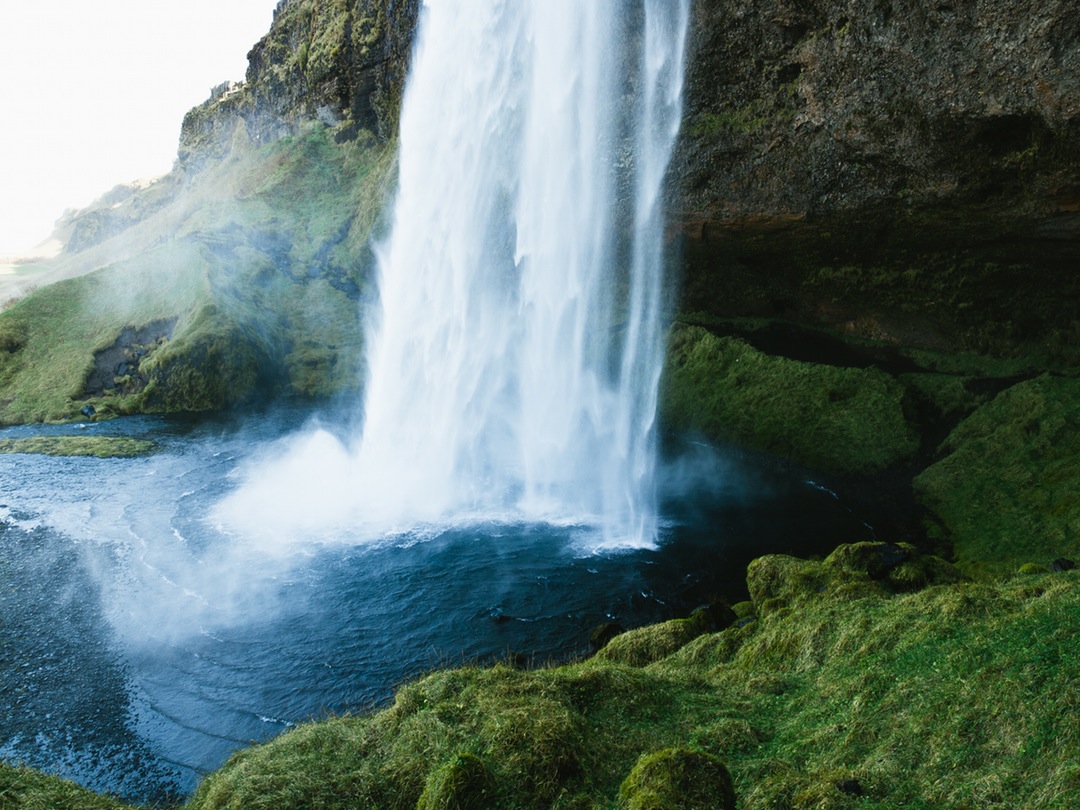
The legendary Zambezi River God, or Nyaminyami, is a dragon-like creature believed to command all life in and on the mighty Zambezi River, the fourth-largest river system on the continent. According to one fable, the Kariba Dam project (started in 1956) shattered the peaceful existence of the Batonga people who had lived in the Zambezi Valley for hundreds of years. Asked to relocate, the Batonga were certain that Nyaminyami wouldn’t allow the dam to be built. Barely a year after the project began, a severe flood struck, killing several workers and destroying the partially built dam. For three days, relatives waited in vain for human remains to be recovered. Finally, the elders of the tribe explained that only a sacrifice would appease Nyaminyami’s displeasure. At this, a calf was slaughtered and placed in the water. The next day, the bodies of the workers were found in its place. The dam was finished in 1977.

The Hippopotamus
This remarkable African mammal is usually featured as a goddess in African legends. Worshiped in ancient Egypt as Tawaret, the goddess of fertility and childbirth, she was essentially regarded as a protective and caring deity.
In Mozambique, the Ronga people tell the legend of a mother who left her child with Mother Hippo for safekeeping as the child’s life was threatened by an envious rival. Every night, Mother Hippo would emerge with the child so that it could suckle from its mother.
On the other hand, male hippopotami are usually seen as shape-shifting beasts. According to the legend of the hero Fara Maka, one such beast ate all the crops in the fields. The hero threw all his spears and sent black hounds against it, but the monster continued eating and could only be subdued and killed after a spell was placed on it by the hero’s wife.
Kalunga
In an Angolan folktale, death is explained like this: heartbroken after the death of his favorite wife Muhungu, Chief Kitamba ordered his people not to speak or eat until she could be brought back to life. The headmen of the tribe asked a medicine man to fetch the queen from Kalunga (the world of the dead). The medicine man ordered all the people of the village to wash themselves with infused herbs and shortly afterwards, descended into the land of the dead with his son.
Following a road, the man soon encountered the queen. She showed him Kalunga-ngombe, the lord of the underworld, and explained that he devours everyone in the end. She also pointed to a shadowy figure in chains—the spirit of Chief Kitamba, who was destined to die soon. Giving him a funerary bracelet as proof of his encounter, the queen sent the medicine man back, telling him that no one who entered Kalunga could ever leave and that he shouldn’t eat any of the food or speak of Kitamba’s impending death. Otherwise, he and his son would both be forced to stay in the underworld. When he returned, he presented the chief with the bracelet, and the chief confirmed that it was indeed that of Muhungu.
Our Favourite Tweets! #Spreadthelove
10 Reasons Why We Inspire Filmmakers Today #retroafrika #berlin @Berlinale http://t.co/u2g8LLfsMR pic.twitter.com/RSvGERqyZ2
— RetroAfrikaBioscope (@RetroAfrika) February 16, 2015
Can you believe we had to turn away audiences in Berlin! They loved umbango + joe bullet!! #retroafrika pic.twitter.com/qdfDmLBiYX
— RetroAfrikaBioscope (@RetroAfrika) February 10, 2015
We’re going to Berlin for the @berlinale !!! #retroafrika #filmhistory #cool #tgif #february #photography pic.twitter.com/w3VVeMijMy
— RetroAfrikaBioscope (@RetroAfrika) January 30, 2015
In the studio working hard! 😛 #retroafrika #southafrica #gravelroad #capetown #southafrica http://t.co/jThtArCbET pic.twitter.com/2uhx24STCx
— RetroAfrikaBioscope (@RetroAfrika) December 17, 2014
Spot our “Trompie” DVD at Musica V&A Waterfront NOW, only R99.99!! #retroafrika #summer #christmas #giftingideas pic.twitter.com/0UewH58P0T
— RetroAfrikaBioscope (@RetroAfrika) December 17, 2014
R99.99 at #Musica #southafrica!! Also available on our website http://t.co/jThtArCbET #retroafrika #retweet pic.twitter.com/YzkgUApHnM
— RetroAfrikaBioscope (@RetroAfrika) December 1, 2014
Retro Afrika Happenings in the Months to Come #retroafrika #vintage #films #epic #lumiere2014 #berlin #filmfestival… http://t.co/C2RamB7aFF
— Tamika Doubell (@TamikaDoubell) October 20, 2014
@JoeBulletMovie cast in the 70’s #thursdaythrowback #RetroAfrika pic.twitter.com/nkRHdrFsNz
— RetroAfrikaBioscope (@RetroAfrika) September 4, 2014
We making it to New York Times read about us #DIFF2014 #RetroAfrika Honoring a Filmmaker in the Shadow of Apartheid http://t.co/7y0lmW19sV
— RetroAfrikaBioscope (@RetroAfrika) July 30, 2014
At the press conference for The Mayibuye Film Festival right now in #johannesburg #retroafrika @Official_SABC1 pic.twitter.com/bg8wSSTSSa
— RetroAfrikaBioscope (@RetroAfrika) April 10, 2014
What Our Users Say…Join Our Community Now!
RT @RetroAfrika: Smiling all the way! #Africa pic.twitter.com/wMrnBCAkpd
— Instagram: (@CollenRSA) April 20, 2015
South Africa’s apartheid-era blaxploitation flicks are getting a new lease on life thanks to @RetroAfrika: http://t.co/D7ruqQPXZs
— Andrew Cusack (@cusackandrew) April 17, 2015
@RetroAfrika Where can I buy DVDs of your videos? Super keen to watch them!
— Richard Stupart (@wheretheroad) April 15, 2015
I liked a @YouTube video from @retroafrika http://t.co/UhKZXvosTC Trompie [1974] – Official Trailer (remastered version)
— !Jans de Jager! (@WolfWereMan) March 11, 2015
Südafrika 2: JOE BULLET! Blaxploitation – groovy & selbstbewusst. 1973 vom Apartheidsregime verboten. #Berlinale2015 pic.twitter.com/GiEz9uDGgp — Bela Sobottke (@sobottke) February 6, 2015
Hopefully the guys at @RetroAfrika bring JOE BULLET back next year. See you at #Berlinale2016! pic.twitter.com/AMURxbLlth
— Bela Sobottke (@sobottke) February 15, 2015
Damn! There’s me in the front row! 😉 “@RetroAfrika: The scene at our film screening in Berlin! @berlinale pic.twitter.com/rgzV0SFznU”
— Bela Sobottke (@sobottke) February 10, 2015
African Myths Part 1
This is a trailer of Joe Bullet – a film lost in the 70’s but now found + digitally remastered by the Waterfront Film Studios. f you watch the trailer, you will see a great amount of landscape shots. Our landscape lends itself to beautiful cinematography!
Did You Know?
There are many myths + legends surrounding the African landscape?
Mythology can refer to the collected myths of a group of people—their body of stories which they tell to explain nature, history, and customs—or to the study of such myths.
Here are a few:

Adu Ogyinae
According to Akan mythology, all humans lived deep within the earth. One day, seven men, five women, a leopard, and a dog crawled out of a hole made by a massive worm. Looking around them, the astonished people became terrified, but Adu Ogyinae—the first man on the surface—seemed to understand the world and its wonders. He calmed them and gave them strength by laying his hands on them. Adu Ogyinae also took charge and grouped the people into work teams. He coordinated the building of their first shelters until a tree he was chopping down fell on and killed him.

Kaang
The Bushmen, also called the Khoi or San, are the nomads of Africa. In the last few decades, many have become farmers due to the dangers that our modern life poses to their traditional hunter-gatherer lifestyle, but their territory once stretched from the Cape to Kenya. The Bushmen are experts at finding water, and their advice is often sought out due to their precognitive dreams and divining capabilities.
According to their beliefs, the supreme god Kaang created the world but sent death and destruction after experiencing too much disobedience and antagonism. Even though he lives in the sky, his invisible spirit still resides in all living things. In one story Kaang’s wife gave birth to an eland (African antelope). The god nurtured the calf but it was mistakenly killed by his two sons. Kaang demanded that the eland’s blood be boiled. The subsequent fatty residue was scattered across the landscape, in turn becoming other antelope and animals. In this manner, Kaang provided the meat that his people hunt, kill, and eat to this day.

The Biloko
The Biloko are diabolical dwarf-like entities believed to roam the nethermost regions of the rainforest in central Zaire. According to the legends, these beings are restless ancestor spirits who still harbor resentment toward the living. They zealously guard the forest and its living creatures from the hollow trees in which they hide. Women lose consciousness at the sight of them and only the most daring hunters enter these forests and survive. Apart from their hideous appearance—no hair, long sharp claws, and sharp-toothed mouths that can open wide enough to swallow a human being whole—they also have a tendency to bewitch and eat all those who come under their spell.
Come Back Next Week for Part 2 (more awesome myths)
Awesome Shots From Around South Africa!
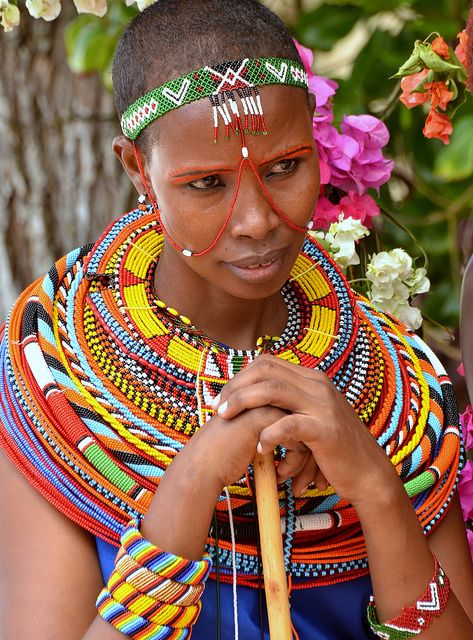
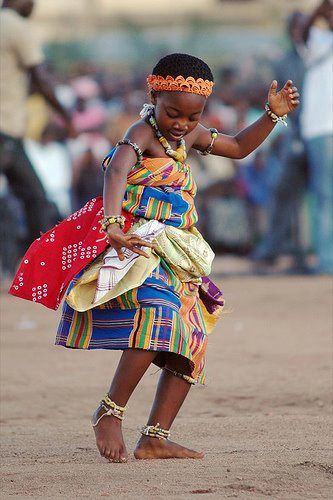
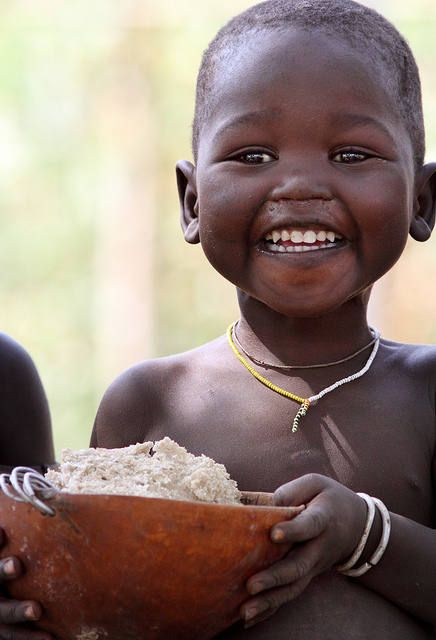
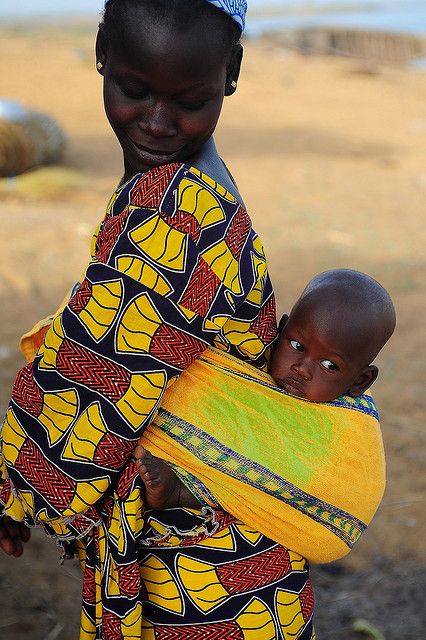
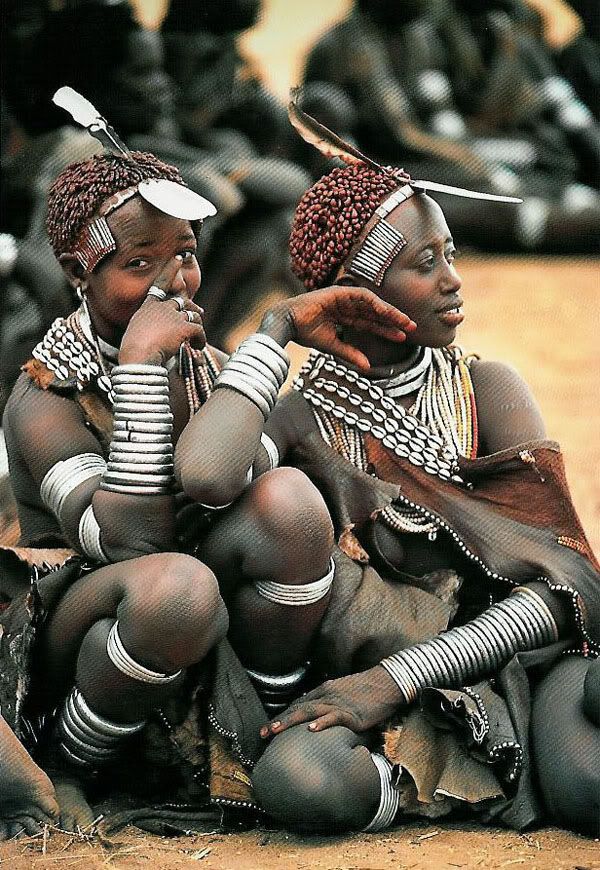
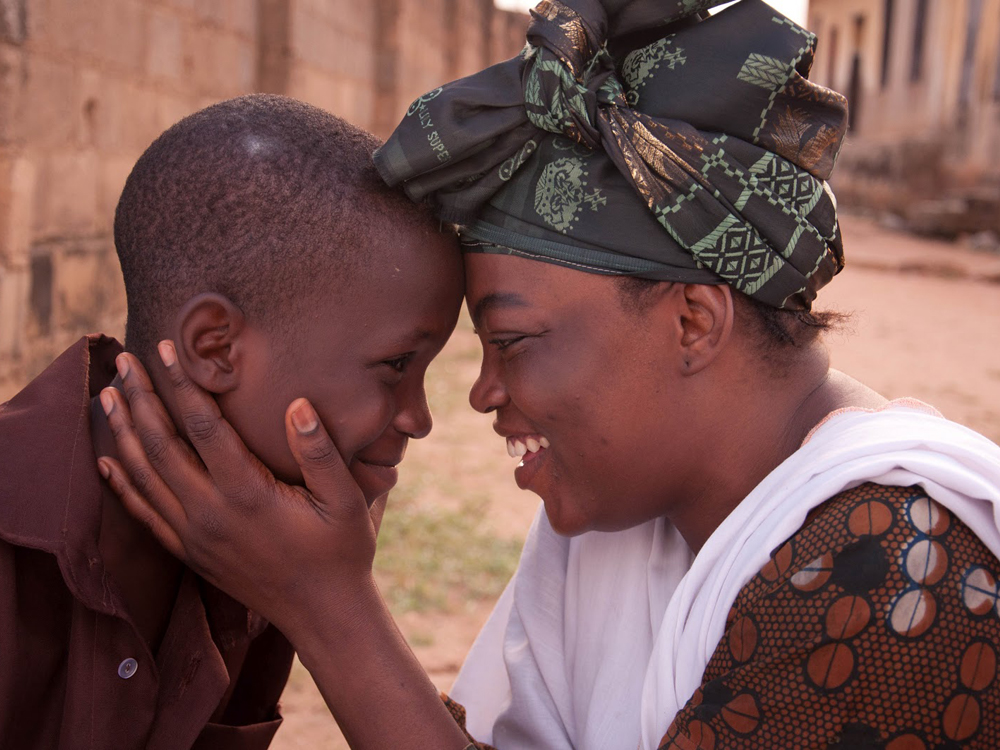
We live in a country rich with beauty + vibrant with culture. Our people are from all walks of life + they are the ones our films are for. We’re restoring vintage films from the 70’s + 80’s. The films were a way of escape during the harsh Apartheid years. Our current blog series – “What Was Happening When” – delves more into what was going on in the country during the years the films were made. You can clearly see the contrast between reality + escapism. These movies were a way to show a lighter side of life for viewers. Now, thanks to Gravel Road, we are bringing them back to the public. We have showed at some of the biggest film festivals in the world, including The Berlin Film Festival, The Carthage Film Festival, The Lumiere Film Festival, as well as at museums such as New York’s world-famous MoMA. We have also been at art screenings around South Africa, on South Africa’s Broadcasting Network (SABC) + on CNBC Africa. We have been written about in The New York Times, The Guardian, The Sunday Times, Filmmaker Africa + more publications. People are sitting up + paying attention. Read more on our journeys around the world here on our blog: the category drop down menu on the right sidebar is easy to use. Subscribe to our newsletter by signing up to follow the blog. You will receive exclusive content such as news about specials, film screenings, DVD releases + behind-the-scenes photos of our team at work in our studios at Cape Town’s Waterfront. In the meantime, enjoy some photos from around South Africa, sourced from Pinterest + Google. Follow our story on Facebook here.








What Was Happening When
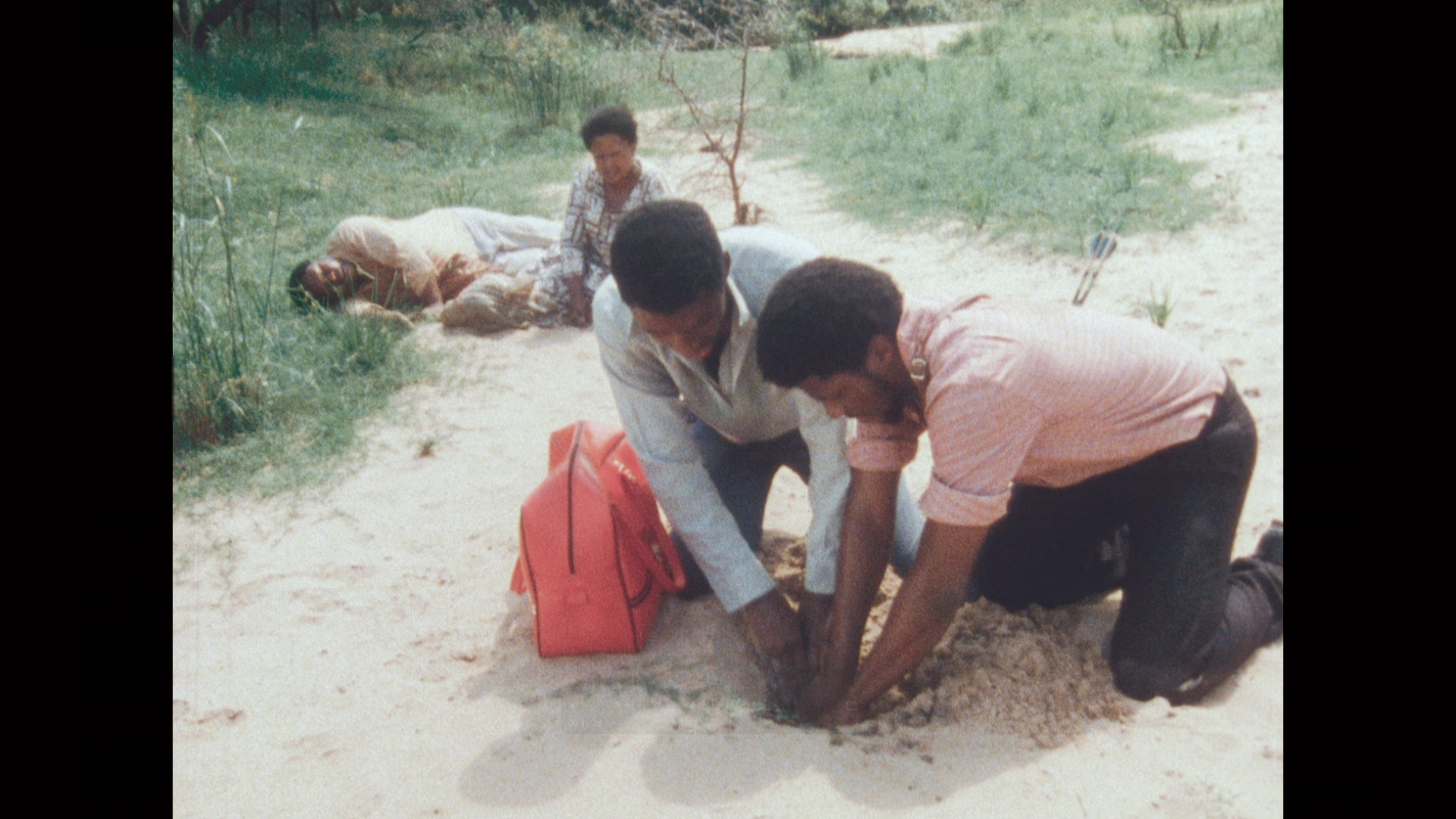
1989 – Treasure Hunters
After hearing a tale of a mysterious lost treasure, an old man’s family heads off on a perilous journey only to suffer the same fate as the shipwrecked survivors from sixty years ago.
+ Jan 8 The African National Congress announces that it will start dismantling its guerrilla camps in Angola in support of the peace process.
+ Jan 18 State President of South Africa P.W. Botha has a mild stroke.
+ Feb 2 An ailing State President Pieter Willem Botha steps down from the leadership of the National Party, but remains state president.
+ Feb 2 Trevor Manuel is released from detention under stringent restriction orders.
+ March 15–21 A conference of African National Congress chief representatives and regional treasurers takes place in Gran, Norway.
+ Date Unknown An explosion occurs outside the Natal Command HQ on Durban‘s beachfront.
+ May 5 Three South African Embassy staff are ordered to leave Britain within 7 days because of the attempted smuggling of a Blowpipe missile.
+ May 17 Tumelo Faith Sindane is born at Zebediela.
+ July 5 PW Botha, State President of South Africa, and Nelson Mandela, in prison at the time, meet for the first time.
+ August 10 The Cabinet prevails on P.W. Botha to resign as state president and FW de Klerk becomes acting State President of South Africa.
+ Date Unknown A grenade is thrown into a Labour Party polling station in Bishop Lavis.
+ September 12 Anton Lubowski, advocate and secretary-general of the South West Africa People’s Organization, is shot dead outside his home in Windhoek, South West Africa.
+ November 27 The Hex River Tunnels system is officially opened. The system’s longest tunnel is 13.5 kilometres (8.4 miles) long, the longest railway tunnel in Africa.


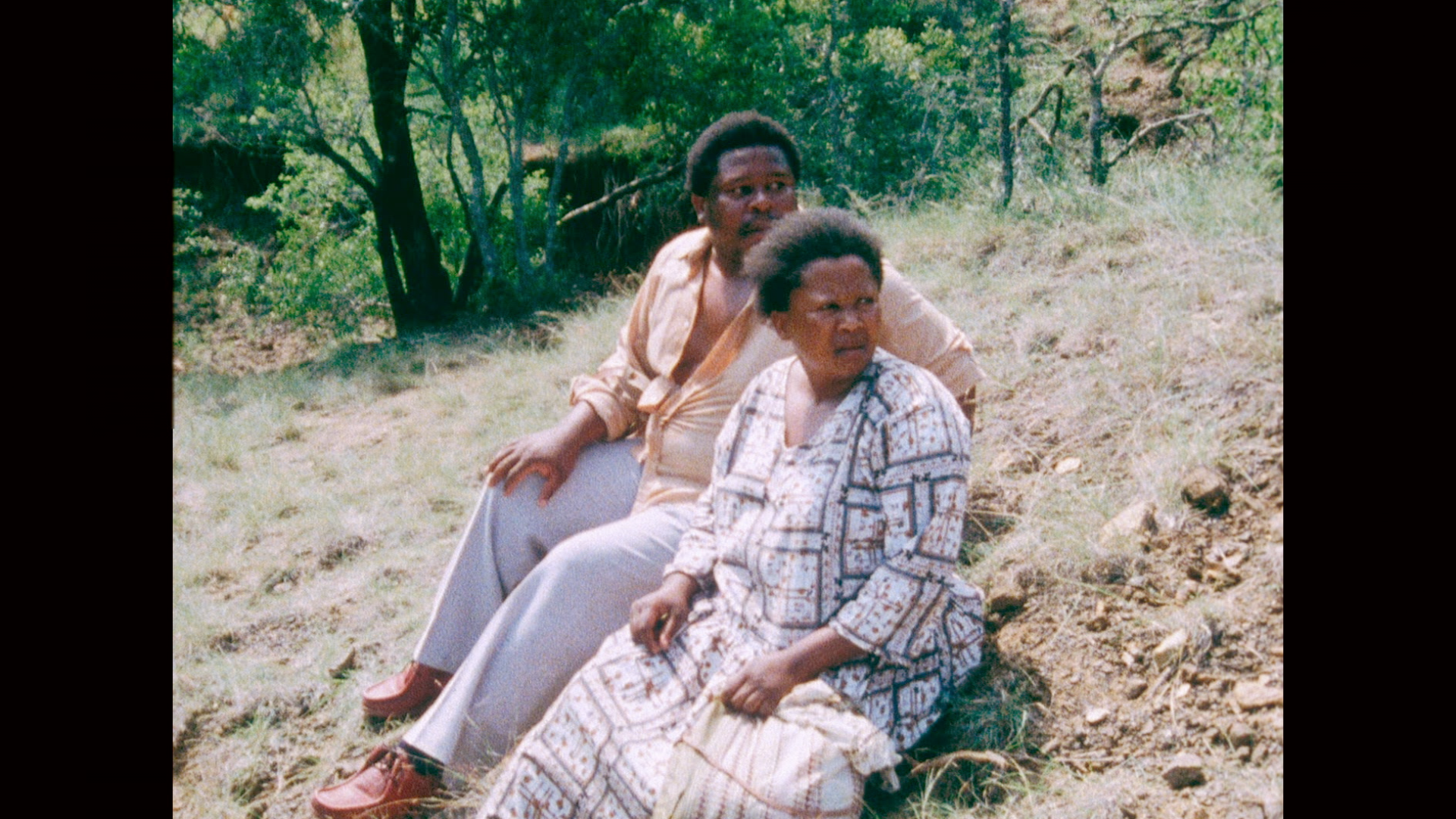
What Was Happening When
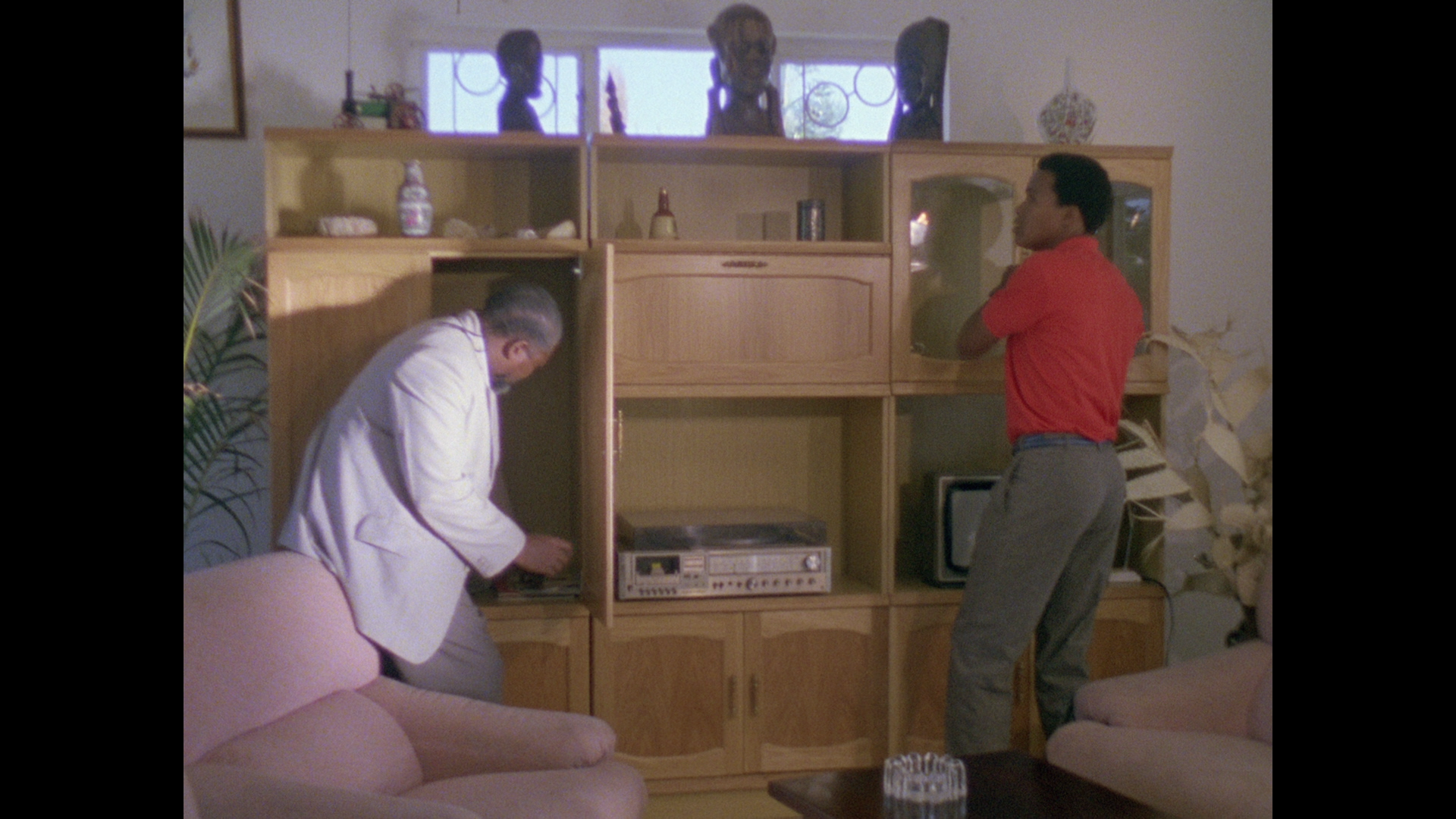
1980 – Hostage
+ 25 Jan Three Umkhonto we Sizwe terrorists kill two civilians and hold the staff and customers in a bank in Silverton in Pretoria hostage. The siege ends in a shoot-out with the police in which all three terrorists are killed
+ 26 March A mine lift cage at the Vaal Reefs gold mine in South Africa falls 1.9 kilometres (1.2 miles), killing 23
+ 12 March In Pretoria nine people are sentenced to five years imprisonment for training as guerrillas outside South Africa and recruiting others to undergo training
+ 4 April Umkhonto we Sizwe attacks the Booysens Police Station in Johannesburg with grenades, rocket launchers and AK47s
+ 21 April More than sixty coloured high schools, teacher training colleges and the University of the Western Cape start boycotting classes
+ 29 April In Johannesburg hundreds of coloured school children are arrested in terms of the Riotous Assemblies Act during a student-police confrontation
+ 1 June Bombs explode at Sasol One and Two and Natref Eight at Sasolburg and Secunda, with no injuries and RM58 damage. The attack was organised by Solomon Mahlangu of the Umkhonto weSizwe Special Operations
+ 29 Oct Umkhonto we Sizwe insurgents throw two grenades into the government buildings of the West Rand Administration Board and injure a security guard and his friend.
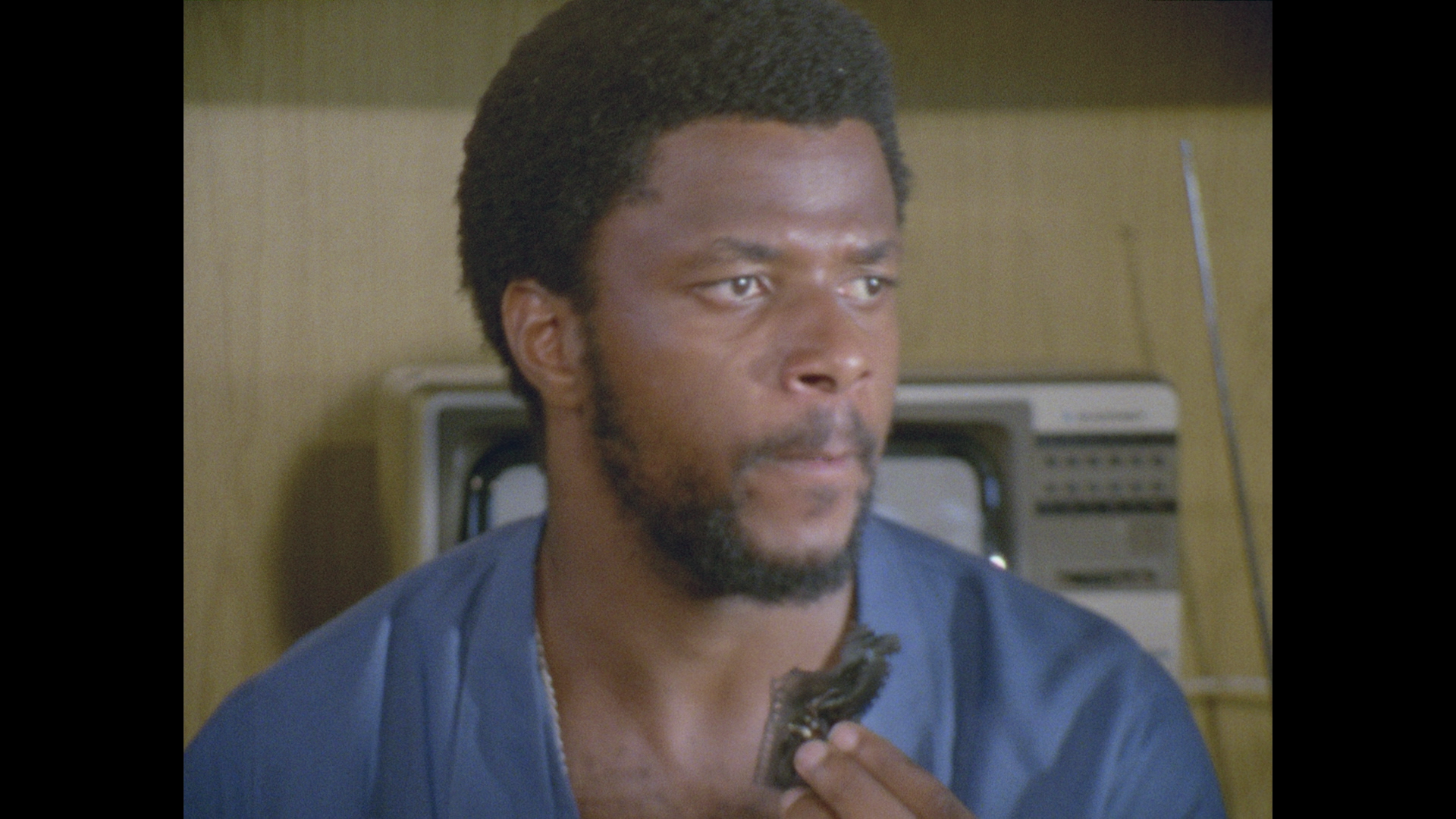


What Was Happening When

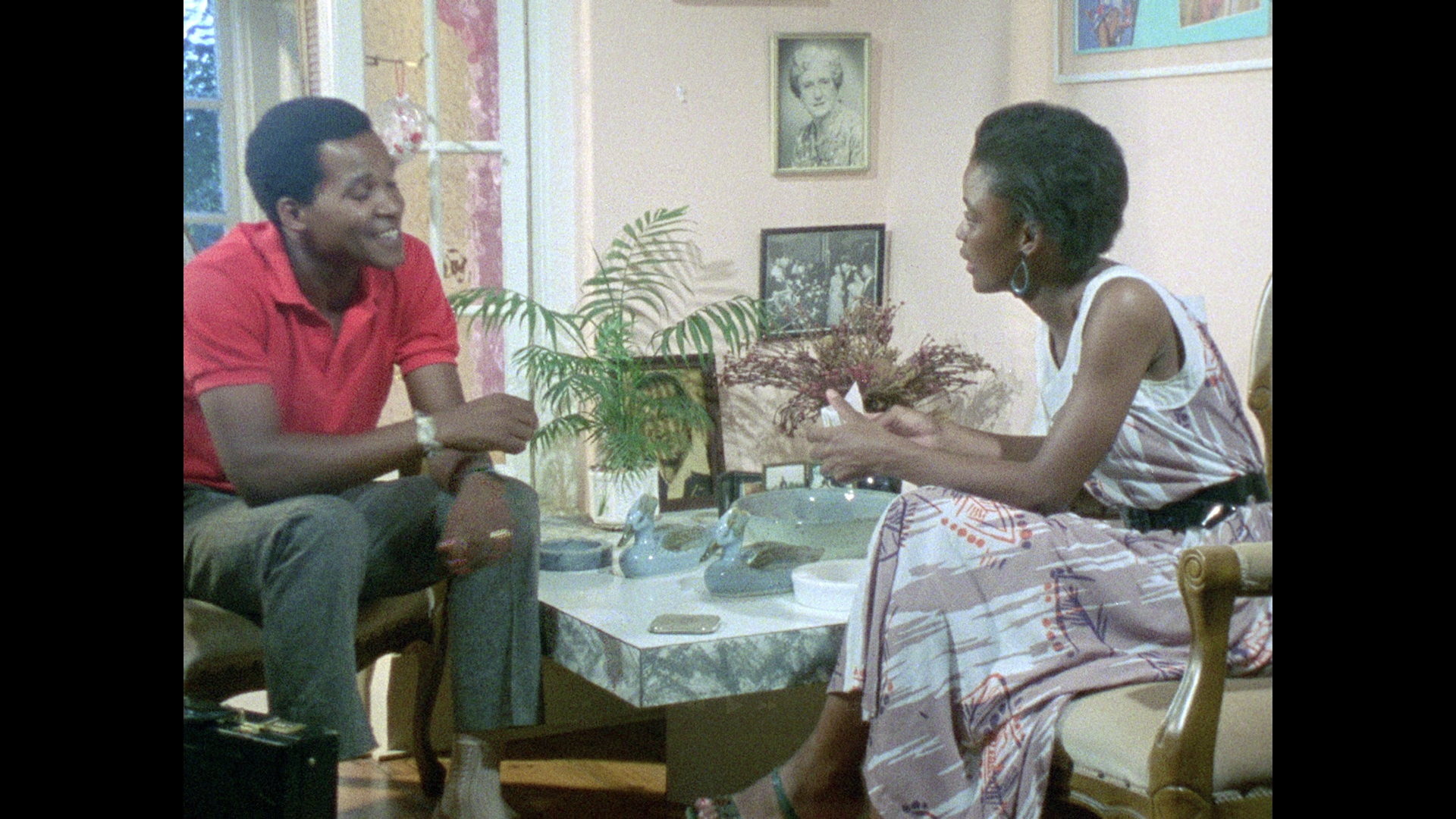
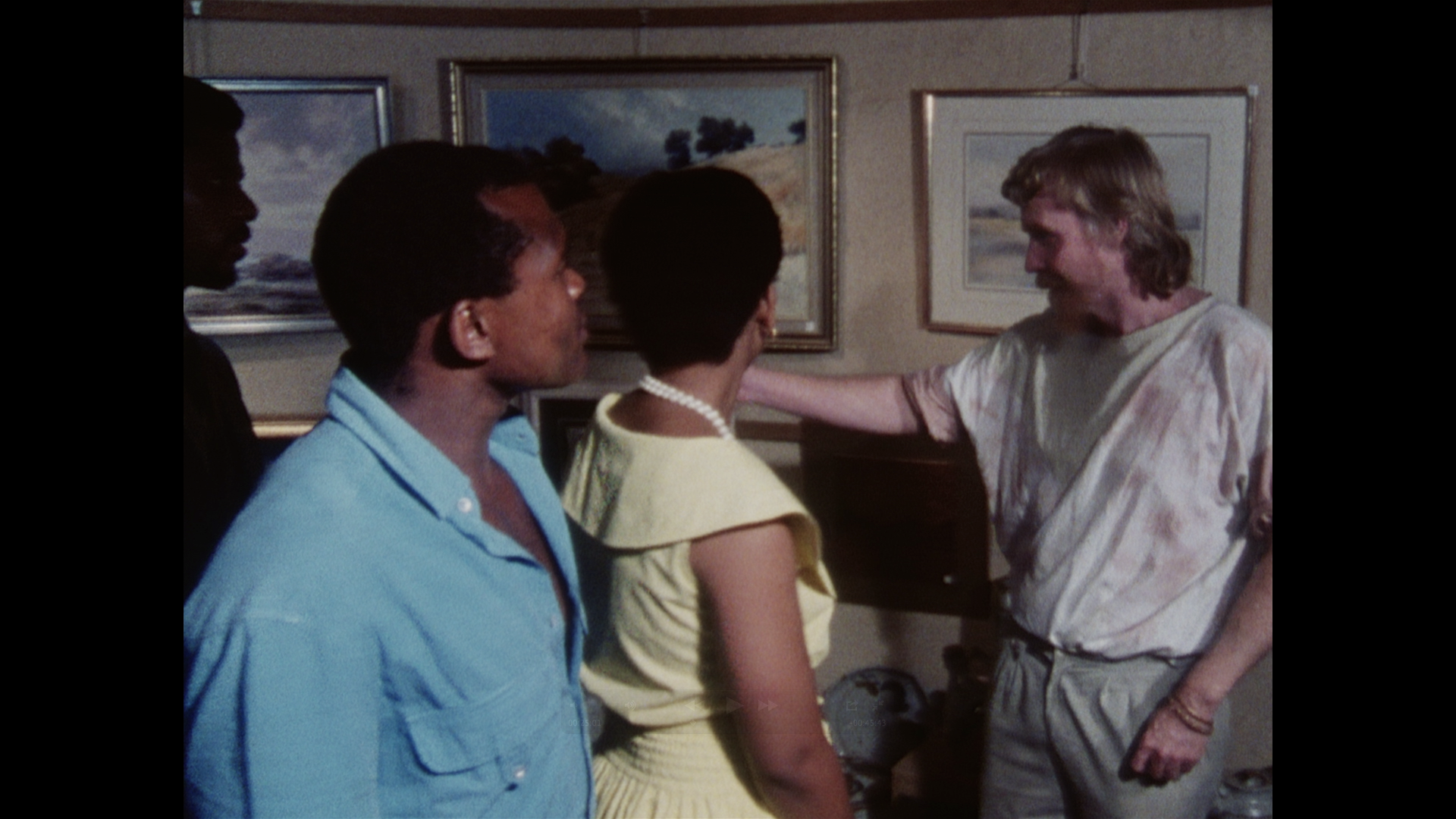
1980 – Rich Girl
+ 25 Jan Three Umkhonto we Sizwe terrorists kill two civilians and hold the staff and customers in a bank in Silverton in Pretoria hostage. The siege ends in a shoot-out with the police in which all three terrorists are killed
+ 26 March A mine lift cage at the Vaal Reefs gold mine in South Africa falls 1.9 kilometres (1.2 miles), killing 23
+ 12 March In Pretoria nine people are sentenced to five years imprisonment for training as guerrillas outside South Africa and recruiting others to undergo training
+ 4 April Umkhonto we Sizwe attacks the Booysens Police Station in Johannesburg with grenades, rocket launchers and AK47s
+ 21 April More than sixty coloured high schools, teacher training colleges and the University of the Western Cape start boycotting classes
+ 29 April In Johannesburg hundreds of coloured school children are arrested in terms of the Riotous Assemblies Act during a student-police confrontation
+ 1 June Bombs explode at Sasol One and Two and Natref Eight at Sasolburg and Secunda, with no injuries and RM58 damage. The attack was organised by Solomon Mahlangu of the Umkhonto weSizwe Special Operations
+ 29 Oct Umkhonto we Sizwe insurgents throw two grenades into the government buildings of the West Rand Administration Board and injure a security guard and his friend.


 Retro Afrika Bioscope